JD Vance is visiting Hungary on Tuesday in an eleventh-hour effort to boost Prime Minister Viktor Orbán ahead of Sunday’s critical parliamentary elections. The trip, part of U.S. Vice President interventions supporting a key MAGA ally, is unlikely to significantly alter the trajectory of a race increasingly defined by domestic discontent.
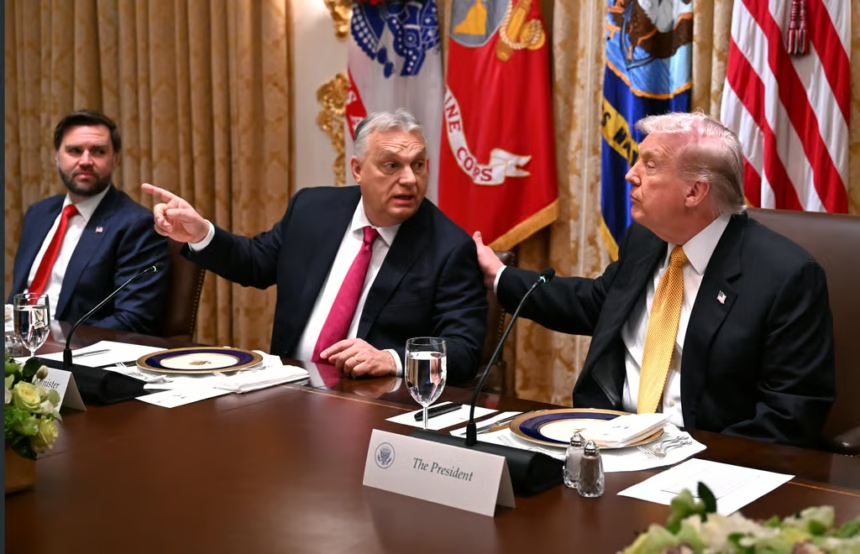
President Donald Trump has already endorsed Orbán multiple times, highlighting the Hungarian leader as a proponent of “illiberal democracy” aligned with Kremlin interests. Despite these interventions, polling suggests Orbán struggles to maintain support amid economic weakness, corruption, and rising popular dissatisfaction. Orbán is aiming to capitalize on Vance’s visit with a Budapest press conference and a rally at a 24,000-seat stadium, portraying himself as Trump’s principal European ally.
White House officials stress that the visit signals appreciation for Orbán’s long-standing support, particularly during Trump’s years out of office and the 2024 campaign. “Orbán has been with the president through the trials and tribulations…this is a way to show reciprocal support,” an anonymous official explained.
However, Hungary’s electorate appears largely unmoved. Opposition leader Péter Magyar’s Tisza party has led in polls since late 2024, with voters prioritizing domestic issues over foreign endorsements. A February Publicus Institute survey indicated that 48 percent of Hungarians viewed Trump’s influence negatively, compared to 38 percent who saw it positively. Positive perceptions of Trump were largely limited to Fidesz supporters, while Tisza voters overwhelmingly held a negative view.
Previous U.S. interventions, including Secretary of State Marco Rubio’s visit in February, also failed to shift momentum, with independent surveys showing the opposition widening its lead. Analysts, including Timothy Ash of Chatham House, suggest that only Trump himself might energize Orbán’s base, though such a visit carries high risks should Orbán lose.
According to Péter Krekó of Political Capital, “Anything less than Donald Trump will be insufficient to boost Orbán’s popularity.” While Orbán remains a challenging figure for the European Union—currently blocking a €90 billion loan to Ukraine—the White House frames support as personal and value-driven rather than a geopolitical signal. “We need allies around the world who share our values,” a U.S. official said, emphasizing that a strong U.S.-Hungary relationship serves mutual interests.
In sum, Vance’s visit is a symbolic gesture of U.S. support, but the impact on Hungary’s elections remains uncertain, constrained by domestic concerns and the limits of foreign endorsements.