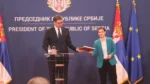
For over a year and a half, Serbia has witnessed a growing pattern of political pressure exerted through state security institutions, particularly the Security Information Agency (BIA).
According to Nova, sources from the prosecutor’s office, civil society, and media report a continuous practice of “friendly invitations,” phone calls, and informal meetings—essentially serving as tools for intimidation and political discipline.
Prosecutors under Pressure: Some prosecutors have faced direct pressure to influence the election of new members to the High Council of Prosecutors, especially under the jurisdiction of the Kragujevac Appellate Prosecutor’s Office, where candidates aligned with the government were favored. Operatives from BIA were reportedly involved, raising concerns about the politicization of judicial independence.
Targeting Students, Activists, and Journalists: Student activists, civil society members, and critical journalists have received BIA “informational talks.” Investigations by BIRN indicate that these meetings have sometimes involved interference with personal devices, including mobile phones, suggesting surveillance and privacy violations.
Veterans as Informants: In the run-up to large protests, including Vidovdan demonstrations, veterans were contacted by BIA to provide information about protest participation and organization. Observers note the absurdity of using war veterans—survivors of battles like Košare and Pashtrik—as tools of intimidation.
High-Profile Cases: Dijana Hrka, mother of a victim from the Novi Sad tent collapse tragedy, has publicly resisted the regime and supported student protests. She has been subjected to BIA pressure even during anniversaries of her son’s death.
Taken together, these actions paint a clear picture: under President Aleksandar Vučić, the BIA is being used not as a national security service, but as a political instrument for fear, control, and suppression of dissent. “Friendly invitations” have become a language of power, reminding citizens who controls the institutions.
Analysts warn that this model erodes Serbia’s democratic standards and aligns the country with authoritarian practices, where security mechanisms are turned against citizens instead of protecting them.