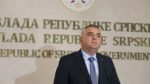
President Aleksandar Vučić convened an urgent meeting with Serbia’s energy teams today over the increasingly precarious situation at Naftna Industrija Srbije (NIS), as the Pančevo refinery approaches potential shutdown due to dwindling oil reserves.
Earlier, Vučić admitted there was “no good news” regarding NIS and promised that Serbia would find a solution. Yet, despite the urgency, the President chose to visit the village of Jaša Tomić before announcing concrete measures, stating:
“Everything has been difficult since this morning. In times like these, it is best to be with your people. That gives me strength.”
Critics argue that Vučić’s symbolic gestures risk distracting from the real crisis, as the Pančevo refinery reportedly has oil stocks for only a few more days. Without a timely U.S. license, operations could stop by 25 November.
Energy Minister Dubravka Đedović Handanović confirmed discussions with NIS leadership and stressed that Serbia is prepared for all scenarios, including the worst-case outcome:
“We hope for the best, but must also be ready for the worst-case scenario.”
Despite the looming crisis, Vučić reiterated that taking over the Russian share of NIS remains a last-resort option, signaling both the seriousness of the situation and the limited options available to the government.
The President has also emphasized talks with U.S. Congressmen, highlighting the importance of NIS to Serbia’s energy security. Yet, questions remain: why has Serbia allowed its key refinery to approach a critical shortage? Critics suggest Vučić’s delays and reliance on diplomatic approvals risk national energy independence.
As the clock ticks, Serbia watches—and wonders whether leadership rhetoric will match urgent action.