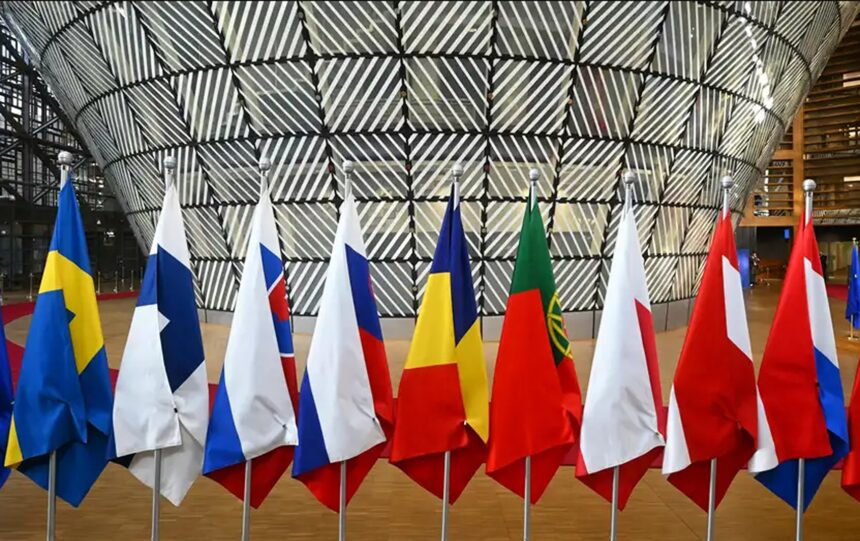
At the first regular European Union summit of the year, attention is focused on the war in Iran. The key question: how can the war end—and should the EU intervene or not?
The summit had initially been planned to focus on Europe’s competitiveness and how to prepare the EU for the future.
However, with energy prices rising significantly, attention has shifted to a war taking place 5,000 kilometers away, which is now dominating Thursday’s (March 19) EU summit.
The consequences of the conflict in Iran are being felt even in Brussels.
In his government statement, German Chancellor Friedrich Merz called for a swift end to the war.
But how? Who has access to U.S. President Donald Trump now that he feels abandoned by Europeans?
Trump described the lack of support for his war against Iran as shocking, saying it will not be forgotten.
War’s impact felt across the EU
European heads of state and government face a dilemma: on one hand, they want the war to end as soon as possible; on the other, they want minimal involvement.
At the first meeting of leaders since the start of the conflict, the question arises: will all speak with one voice in favor of restraint, or will some countries be willing to take part in securing the Strait of Hormuz?
The effects are being felt across almost all EU countries. What can be done about rising energy prices? Should oil companies face windfall taxes? And what risks are posed by potential refugees from the region? These are all topics on the summit agenda.
Ukraine expects billions in aid
Ukrainian President Volodymyr Zelensky is participating via video link and will remind leaders that attacks on his country continue unabated.
Ukraine urgently needs funding for daily life and defense organization.
The EU had pledged €90 billion in loans, but Hungary has blocked the disbursement. Prime Minister Viktor Orbán, known for his pro-Russian stance, faces elections at home, making a shift in position unlikely.
A rare piece of good economic news
Caught between two wars, the EU finds it difficult to identify positive developments.
However, such news comes from the business sector. European Commission President Ursula von der Leyen presented simplified rules for startups in the EU.
Any entrepreneur will be able to establish a company within 48 hours, from anywhere in the EU, for less than €100, she announced in Brussels.
Data will be stored once and shared across all member states, according to DW.
Despite the packed agenda, European Council President Antonio Costa expects the summit to conclude within a single day. If not, EU leaders may face a very long night.