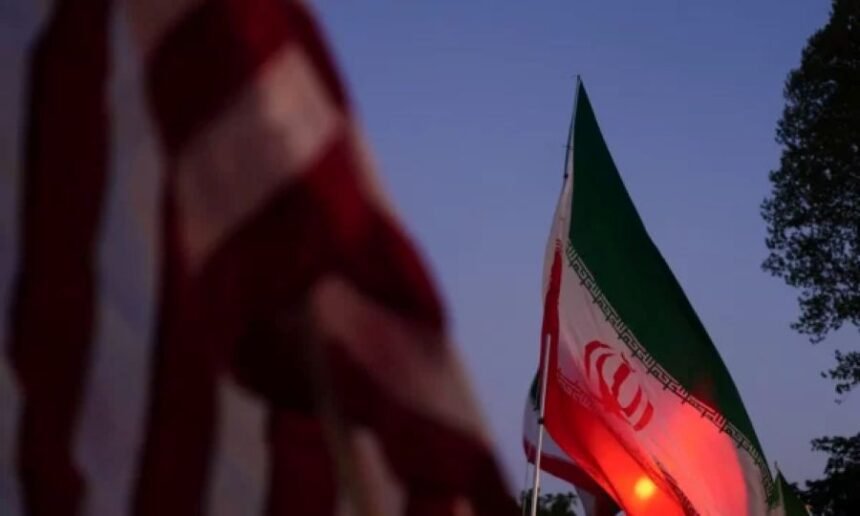
A fragile sense of relief following the ceasefire announcement between the United States and Iran is being overshadowed by significant uncertainty, particularly regarding the status of the strategically vital Strait of Hormuz.
Key Elements of the Agreement
U.S. President Donald Trump announced a two-week ceasefire shortly before his ultimatum expired, reportedly at the request of Pakistan. Iran’s Supreme National Security Council approved the truce, while Foreign Minister Abbas Araghchi indicated that the Strait of Hormuz would be reopened—a crucial global energy corridor for oil and gas shipments.
The agreement is said to be based on a 10-point plan proposed by Tehran. However, neither side has officially released the full details of the document. According to Iranian sources, the plan includes demands for a permanent halt to hostilities, continued uranium enrichment by Iran, and the lifting of international sanctions, including those imposed by the United Nations Security Council.
Disputes and Contradictions
Despite initial optimism, major disagreements remain. Reports suggest that different versions of the plan exist, with discrepancies between English and Persian texts—particularly regarding Iran’s right to continue uranium enrichment. This issue remains a key point of contention, as Washington has consistently sought to limit Iran’s nuclear program.
U.S. Defense Secretary Pete Hegseth warned that the United States is prepared to resume military strikes if Iran does not relinquish enriched uranium. Meanwhile, Trump has threatened tariffs against countries supplying weapons to Tehran.
Another unresolved issue concerns whether the ceasefire applies to conflicts involving Hezbollah in Lebanon. While Iran and Pakistan have suggested that Lebanon is included, U.S. officials have denied this.
Strait of Hormuz Remains Uncertain
Although Iran initially signaled it would reopen the Strait of Hormuz, it later reportedly restricted access again following Israeli strikes in Lebanon. According to Iranian media, only a limited number of oil tankers were able to pass before transit was halted once more.
Control over the strait remains a major concern for global markets, given its role as a key chokepoint for energy supplies. Analysts warn that prolonged disruption could have far-reaching economic consequences.
Fragile Ceasefire and Ongoing Risks
Despite the agreement, hostilities have not fully ceased. Gulf states such as Kuwait and the United Arab Emirates reported continued Iranian drone activity shortly after the ceasefire announcement.
Experts caution that the truce is likely only a temporary pause. “What has been achieved so far appears more like a strategic setback for the United States,” said security analyst Carlo Masala, noting that Iran appears to have made limited concessions.
Next Steps
Direct negotiations are expected to begin in Islamabad, with participation from both sides and potential involvement from regional actors including Saudi Arabia, Turkey, and Egypt.
European leaders are also stepping up diplomatic efforts. UK Prime Minister Keir Starmer has traveled to the Gulf region, while EU foreign policy chief Kaja Kallas is expected to follow.
While both Washington and Tehran present the agreement as a success, its durability remains highly uncertain, with key issues unresolved and tensions still simmering.