Serbian President Aleksandar Vučić is deliberately avoiding engagement with a visiting European Union delegation, according to political analysts, as Serbia approaches what could become a decisive political crossroads between EU integration and continued isolation.
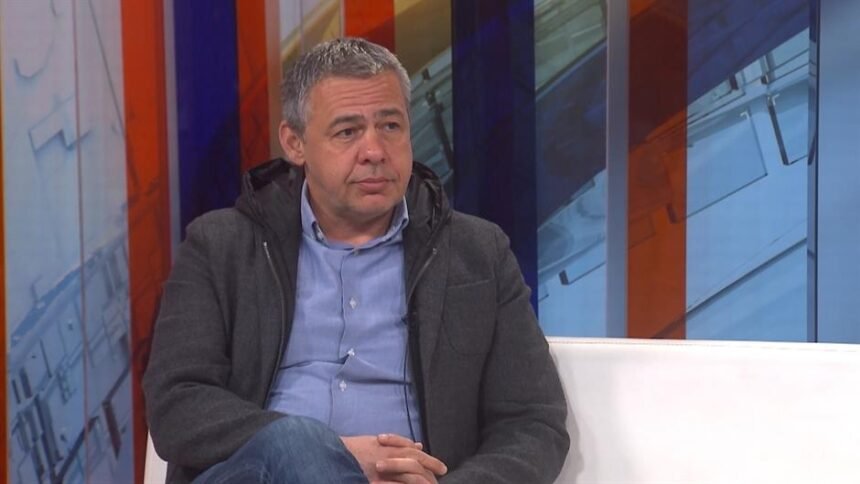
Andrej Ivanji, editor of the Serbian weekly Vreme, told N1 television that future elections in Serbia will effectively represent a choice between Vučić and the European Union, along with the values and standards the EU represents.
“Vučić Is Serbia’s Foreign Policy”
Ivanji emphasized that Vučić has exercised dominant control over Serbia for the past 14 years, shaping not only domestic governance but also the country’s entire foreign policy orientation.
“Vučić governs Serbia sovereignly. His policy is Serbia’s policy,” Ivanji said, adding that Serbia currently holds no meaningful international position and is increasingly disregarded by key global actors.
According to Ivanji, European partners have long since recognized Vučić’s political approach, which he described as lacking credibility and trust on the international stage.
EU Path Seen as the Only Viable Future
Ivanji stressed that EU membership remains the clearest path to economic stability and prosperity for Serbian citizens, underlining that Serbia’s trade relations, geographic position, and long-term interests are fundamentally European.
“Serbia can only have a future if it moves closer to the EU — not by looking toward Russia, China, or the United States,” he said.
He warned that while neighboring Montenegro is expected to join the EU within a few years, Serbia risks falling behind, facing stricter travel regimes and diminished opportunities if it continues to delay reforms.
Avoiding the EU Mission
Ivanji also suggested that Vučić’s participation in the World Economic Forum in Davos coincides with an attempt to avoid a European mission scheduled to visit Serbia.
“The European mission will assess the situation as it truly is and report back,” Ivanji noted, adding that the outcome will largely depend on how willing the European Commission is to take a more active role in Serbia.
Global Uncertainty and Rising Tensions
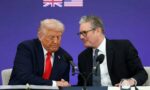
Beyond Serbia, Ivanji highlighted growing global instability, pointing to controversial statements and policies attributed to former U.S. President Donald Trump, including remarks on territorial expansion and resource competition.
He warned that the erosion of international cooperation and the return of zero-sum geopolitical thinking resembles conditions that preceded the First and Second World Wars, making the current global climate increasingly concerning.
A Defining Moment Ahead
As Serbia approaches future parliamentary or presidential elections, analysts argue that the political landscape is narrowing to a single defining question: alignment with European democratic standards or continued governance under Vučić’s centralized leadership model.