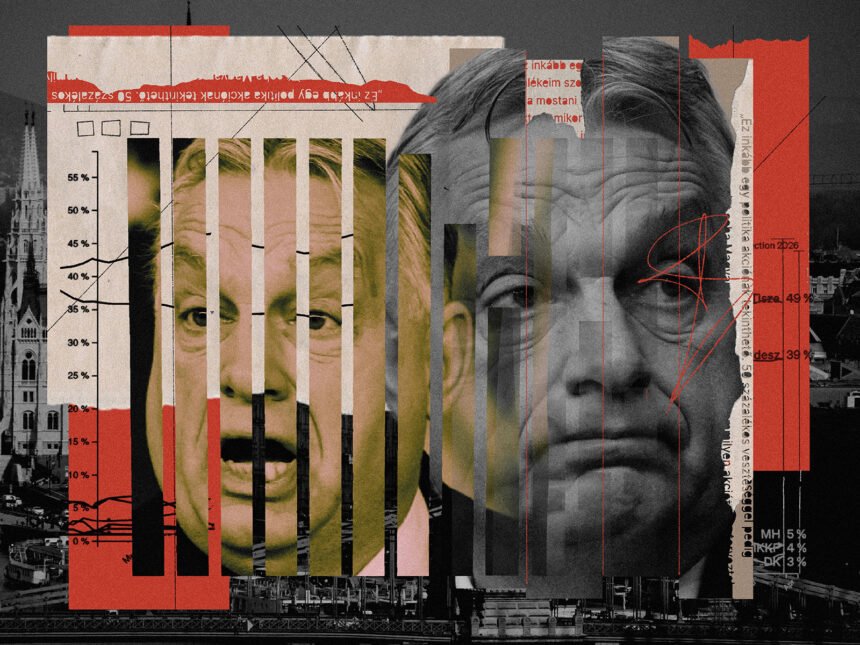
1. Loss of public trust
Orbán’s decline began in 2024 after a controversial pardon linked to a child abuse cover-up scandal. The fallout triggered public outrage and opened the door for Péter Magyar to emerge as a serious challenger.
Magyar capitalized on the crisis, organizing protests and exposing alleged government interference, which damaged the ruling Fidesz party’s image.
2. Weak ground campaign
Magyar built momentum through nationwide tours, directly engaging voters across cities and rural areas.
Orbán, by contrast, struggled to mobilize crowds and even faced public backlash at rallies—an unusual shift for a leader long seen as dominant on home turf.
3. Foreign policy backlash
Orbán centered his campaign on attacks against Ukraine and criticism of the European Union.
However, this strategy backfired as reports emerged of ties between Hungarian officials and Russia. Anti-Russian sentiment among voters turned into a liability, with slogans like “Russians go home” gaining traction.
4. Economic dissatisfaction
Hungary’s economic struggles—high inflation, stagnant growth, and declining real wages—became central to voter frustration.
Many citizens felt the government was no longer delivering results, eroding Orbán’s long-standing reputation for stability.
5. Losing the digital battle
While Fidesz dominated traditional media, Magyar outperformed Orbán on social media.
Despite having fewer followers, Magyar generated significantly more engagement through frequent, viral content—especially after restrictions on political ads reduced Fidesz’s advantage.
6. Youth vote collapse
Young voters turned decisively against Orbán, with polls suggesting around two-thirds supported the opposition.
Policies seen as out of touch—combined with broader frustration—pushed younger generations toward Magyar, who framed his campaign around change and hope.
Bottom line
Orbán’s defeat wasn’t caused by a single factor, but by a convergence of political scandal, economic pressure, strategic missteps, and a highly effective opposition campaign led by Péter Magyar.
After years of dominance, the election showed that even entrenched political systems can shift rapidly when public trust erodes and a credible alternative emerges.