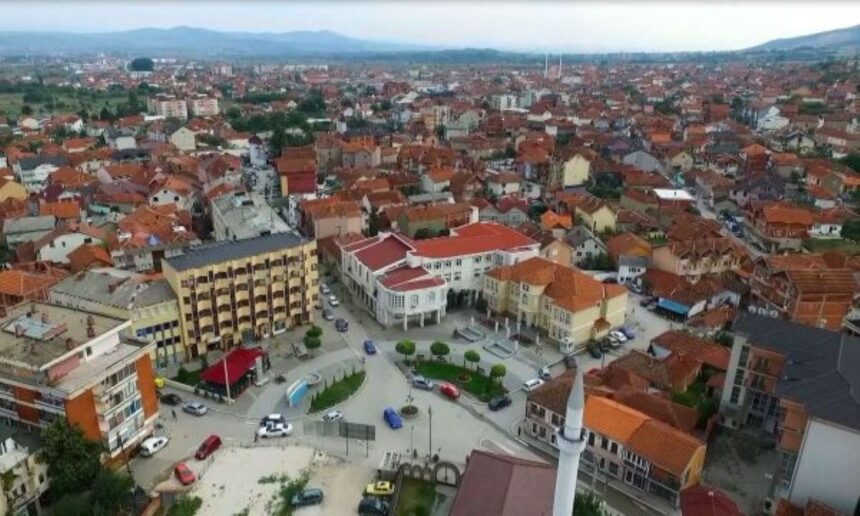
Financial aid allocated by the Government of the Republic of Kosovo for the Albanian-majority Preševo Valley region remains completely blocked. According to local Albanian representatives, the millions of euros intended for economic and social support are being actively obstructed by Serbian state authorities, preventing the funds from reaching the bank account of the Albanian National Council.
Despite the hurdles, the Kosovo government has maintained its commitment, stating it will exhaust all avenues to ensure that Albanians living in southern Serbia receive the intended support.
Institutional Deadlock Affecting the Diaspora
This marks the second consecutive time that vital financial assistance dispatched to the Preševo Valley has failed to materialize for its residents. Albanians living in the municipalities of Preševo, Bujanovac, and Medveđa have been left without access to millions of euros in approved grants.
Ardita Sinani, the Mayor of Preševo, confirmed the ongoing financial blockade to Tëvë1, noting a distinct lack of transparency from Belgrade.
“Serbian authorities have provided no official explanation or legal justification for freezing these funds,” Sinani stated. She further emphasized that local leadership has already raised the alarm regarding this issue with international stakeholders and Western diplomats.
Kosovo Government Vows to Re-route Aid
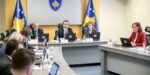
The executive branch in Prishtina has strongly condemned the blockade, labeling the obstruction by Serbian authorities as entirely unacceptable.
Ragmi Mustafi, the Political Advisor for the Preševo Valley within the Kosovo Government, reassured the public that the executive will not back down and is actively seeking alternative mechanisms to execute the payments.
“We will try again to transfer these funds so they can reach all targeted categories,” Mustafi affirmed.
The dedicated fund established by the Government of Kosovo is designed to provide critical structural support to the underserved Albanian minority in southern Serbia, specifically targeting:
- Education: Funding for schools, textbooks, and student initiatives.
- Agriculture: Subsidies and direct financial aid for local farmers.
- Civil Society: Grants aimed at supporting non-governmental organizations (NGOs) and cultural preservation.
Currently, all these developmental programs remain frozen as the financial transfers continue to be intercepted before reaching the Albanian National Council’s official accounts.