Venezuela has accused the United States of “the greatest blackmail” during an emergency session of the UN Security Council in New York, following the seizure of two Venezuelan oil tankers.
Venezuelan Ambassador to the UN, Samuel Moncada, called the U.S. actions “worse than piracy”, stressing that the seizures near Venezuelan shores earlier this month amount to plunder, theft, and neo-colonialism.
The emergency meeting was convened to address the incident, while the U.S. has reportedly targeted a third Venezuelan tanker.
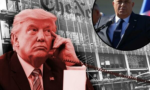
U.S. President Donald Trump has accused Venezuelan President Nicolas Maduro of running a drug cartel and enabling impunity for criminal bands. On December 16, Trump ordered a maritime blockade on all sanctioned Venezuelan oil tankers, declaring that the U.S. would retain or sell the crude oil and vessels seized.
The U.S. has deployed 15,000 troops and a naval fleet, including aircraft carriers, guided-missile destroyers, and amphibious assault ships in the Caribbean—the largest such deployment in the region since the 1989 Panama invasion. The stated aim is to halt the flow of fentanyl and cocaine to the U.S.
Experts have warned that these actions may violate international law governing armed conflicts. Russia and China have also accused the U.S. of intimidation and aggressive overreach.
Moncada warned the Security Council that the U.S. is engaging in illegal coercion, saying:
“We are facing a power acting outside international law, demanding that Venezuelans surrender their country. This is plunder, theft, and recolonization. The U.S. has no jurisdiction in the Caribbean.”
U.S. Ambassador to the UN, Michael Waltz, countered, refusing to recognize Maduro as Venezuela’s legitimate leader, and claimed that Maduro’s oil sales support fraudulent power claims and narco-terrorist activities.
During a trade fair visit in Caracas, Maduro emphasized that the UN Security Council is providing extraordinary support to Venezuela.
Russia’s ambassador, Vassily Nebenzia, warned that U.S. actions against civilian vessels set a dangerous precedent for Latin America, while China’s Sun Lei urged Washington to halt further escalations immediately.
This escalating conflict underscores rising tensions in the Caribbean, highlighting the U.S.’s aggressive intervention in Venezuela’s sovereign affairs and the growing global backlash against these measures.