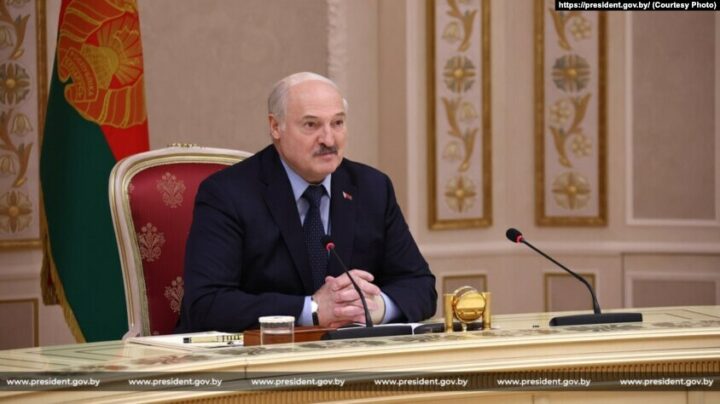
Belarusian authoritarian leader Alexander Lukashenko has ordered the release of 123 political prisoners, including Nobel Peace Prize laureate Ales Bialiatski and prominent opposition figure Maria Kalesnikava, following two days of talks with a special envoy of U.S. President Donald Trump, U.S. officials confirmed on Saturday.
The releases mark the largest single prisoner release by Lukashenko to date since the Trump administration began direct engagement with the long-standing Belarusian strongman earlier this year.
Sanctions Relief in Exchange for Prisoner Release
According to U.S. officials, Washington agreed to lift sanctions on Belarusian potash exports in exchange for the release of political detainees. Potash is a key component in fertilizer production, and Belarus remains one of the world’s leading producers.
U.S. presidential envoy John Coale, speaking earlier in Minsk, confirmed the agreement:
“Under President Trump’s instructions, the United States will lift sanctions on Belarusian potash,” Coale said.
High-Profile Political Prisoners Freed
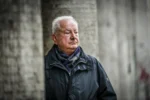
Among those released is Ales Bialiatski, co-winner of the 2022 Nobel Peace Prize, a veteran human rights activist who spent decades defending political prisoners before becoming one himself. He had been imprisoned since July 2021.
Also freed were:
- Maria Kalesnikava, a leading figure in the 2020 mass protests against Lukashenko
- Viktar Babaryka, a former presidential contender arrested while preparing to challenge Lukashenko in the disputed 2020 elections
Both had become symbols of Belarus’s crushed democratic movement.
U.S. Strategy: Reducing Moscow’s Grip
Senior U.S. officials told Reuters that renewed engagement with Lukashenko is part of a broader effort to pull Belarus, even partially, away from Russia’s sphere of influence.
Lukashenko is a close ally of Russian President Vladimir Putin and allowed Belarusian territory to be used as a launchpad for Russia’s invasion of Ukraine in 2022, a move that triggered additional Western sanctions.
Background: Crackdown After Disputed Elections
The United States and the European Union imposed sweeping sanctions on Belarus following the violent suppression of protests after the contested 2020 presidential election, during which:
- Thousands were arrested
- Independent media was shut down
- Nearly all opposition leaders were imprisoned or forced into exile
The sanctions regime intensified after Belarus’s involvement in Russia’s war against Ukraine.
Cautious Optimism, Lingering Skepticism
While the release of political prisoners has been welcomed internationally, human rights groups remain cautious, noting that thousands of detainees remain behind bars and that systemic repression continues in Belarus.
The move is widely seen as a tactical concession by Lukashenko, rather than a fundamental shift toward democratic reform.