Denmark’s Defence Intelligence Service (DDIS) has warned that the risk of limited Russian military attacks against NATO member states is low but increasing, while saying a full-scale Russian invasion of a NATO country remains unlikely.
In its latest threat assessment, published on September 24, the Danish intelligence service said Russia is expected to further escalate its hybrid warfare against NATO and the West in the coming months.
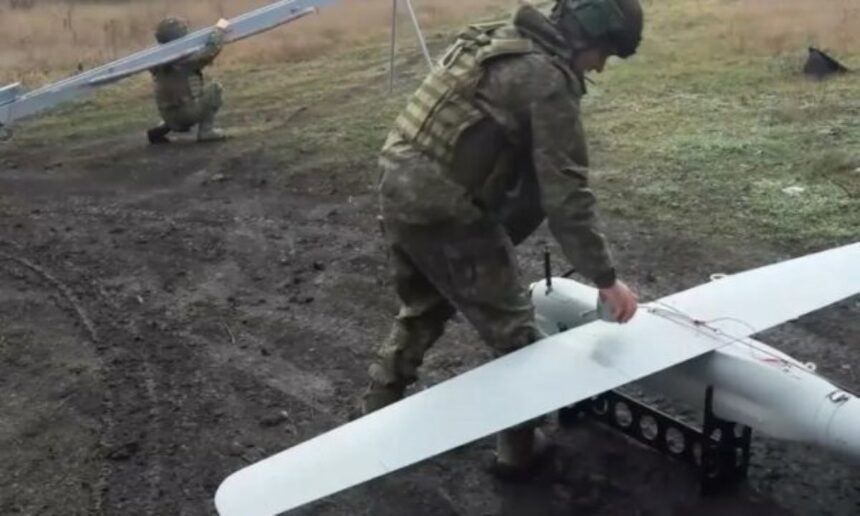
According to the assessment, Moscow could seek to test the Alliance’s response through limited military actions, including drone or missile attacks, as well as sabotage, cyber operations and other activities designed to create divisions within NATO.
The Danish assessment specifically warns that Russia could use hybrid operations to undermine Western support for Ukraine and put pressure on European governments. Reuters reported that the assessment also includes the possibility of false-flag operations intended to create uncertainty over responsibility for attacks.
The DDIS said the threat from Russia is developing across several domains, including cyberattacks, sabotage and other covert activities. It has previously assessed that Moscow uses such methods to test NATO members’ response capabilities and challenge the Alliance’s cohesion.
At the same time, Danish intelligence stressed that an outright invasion of a NATO country remains unlikely, although it said such a scenario can no longer be completely ruled out. The agency described the possibility of limited military attacks as a low but growing risk.
A direct military attack on a NATO member would carry significant risks for Moscow because it could trigger a collective response from the Alliance. The assessment therefore highlights the possibility of miscalculation as a particularly dangerous scenario, especially if Russia misjudges NATO’s willingness or ability to respond collectively.
The Danish warning comes amid broader concerns among European governments and NATO officials over suspected Russian sabotage, cyberattacks, drone incidents and other forms of hybrid activity. NATO Supreme Allied Commander Europe General Alexus Grynkewich has also called for greater intelligence sharing and stronger attribution of destabilizing activities linked to Russia.
Moscow has repeatedly denied involvement in hybrid attacks and sabotage operations in NATO countries, while Russian officials have accused Western governments of escalating tensions.