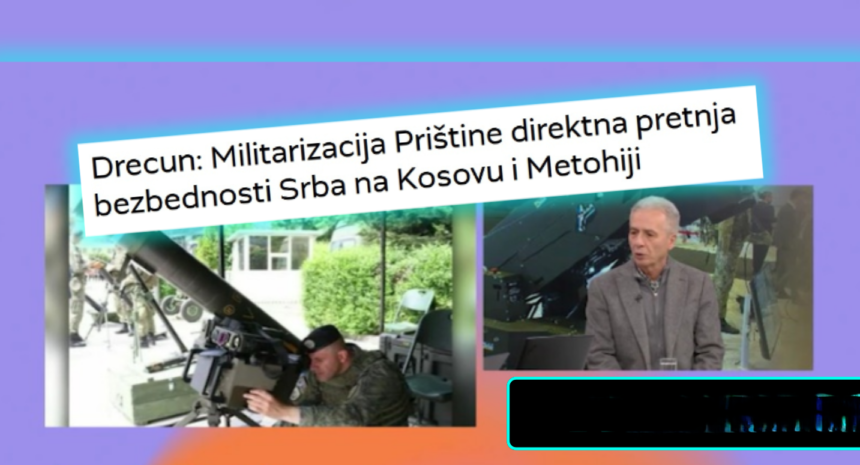
Milan Drecun, chair of the Serbian Parliamentary Committee on Defense and Internal Affairs, claimed in an interview with Radio Television of Serbia that “the militarization of Pristina is a direct threat to the safety of Serbs in Kosovo”. He specifically cited Kosovo’s acquisition of OMTAS anti-tank systems and suggested that these weapons are offensive, not defensive, claiming Kosovo plans a military operation in the north and intends to coordinate with NATO members, especially Croatia and Albania.
Fact Check:
- No evidence provided – Drecun does not present any concrete evidence to support his claims of an offensive intent or plans to attack northern Kosovo.
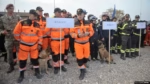
- FSK’s legal mandate – According to the Law on the Kosovo Security Force (FSK), its role is strictly defensive, focusing on protecting Kosovo’s sovereignty, territorial integrity, and national interests.
- International cooperation – Kosovo has procured and received military equipment in partnership with NATO countries since the 2018 transformation of the FSK into a regular army. This includes Humvee vehicles donated or purchased from the United States, without any reports of destabilizing activity.
- KFOR’s presence – NATO’s KFOR mission ensures security and freedom of movement for all communities in Kosovo, acting as a stabilizing factor in the north.
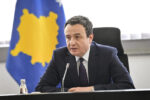
- Kosovar authorities’ position – Successive Kosovar governments, including Prime Minister Albin Kurti, have emphasized that military acquisitions are for defensive purposes only, aimed at maintaining peace and stability rather than threatening any community.
- Past similar claims – In February 2025, Serbian media claimed that Kurti’s proposed military investments threatened Serbs in Kosovo. Fact-checking showed that these claims were false: Kosovo’s rearmament was strictly defensive.
Drecun’s claims lack any verifiable evidence and present a conspiratorial narrative portraying defensive military development as an offensive threat.
Conspiracy theory content describes events, phenomena, or individuals as part of a secretive plot, often connecting unverified claims as cause-and-effect without credible evidence. Drecun’s statements fit this definition, presenting Kosovo’s defensive military development as a fabricated offensive threat.