Iran is awaiting a formal response from the United States to its proposal for reopening the strategically important Strait of Hormuz, Foreign Minister Abbas Araghchi said, as indirect contacts between Tehran and Washington continue through Qatari mediators.
Araghchi, speaking to Iranian reporters in New York on the sidelines of the UN General Assembly, said Qatari mediators had presented new ideas aimed at addressing Iran’s conditions for reopening the waterway.
The proposals are expected to be conveyed to Washington, after which the United States’ response would be relayed to Tehran through Qatar. Araghchi said he hoped a final response could arrive on Tuesday.
Iran proposes seven-day reopening
Tehran has proposed reopening the Strait of Hormuz and restoring normal maritime traffic within seven days if Washington accepts its conditions. Araghchi previously described the proposal as a concrete seven-day plan and said the countdown would begin once the United States agreed to the terms.
The proposal is linked to a broader framework for ending the conflict and resuming negotiations, including talks over Iran’s nuclear program.
According to Iranian officials, Tehran is seeking measures that would include the release of frozen Iranian assets, the lifting of restrictions affecting Iranian oil exports and ports, and the resumption of negotiations on the nuclear issue.
Washington and Tehran remain divided
The diplomatic process remains uncertain. U.S. President Donald Trump has rejected reports that Washington offered Iran sanctions relief or access to frozen assets, saying that he had offered Tehran “nothing.” At the same time, U.S. and Iranian officials have indicated that indirect contacts through mediators are continuing.
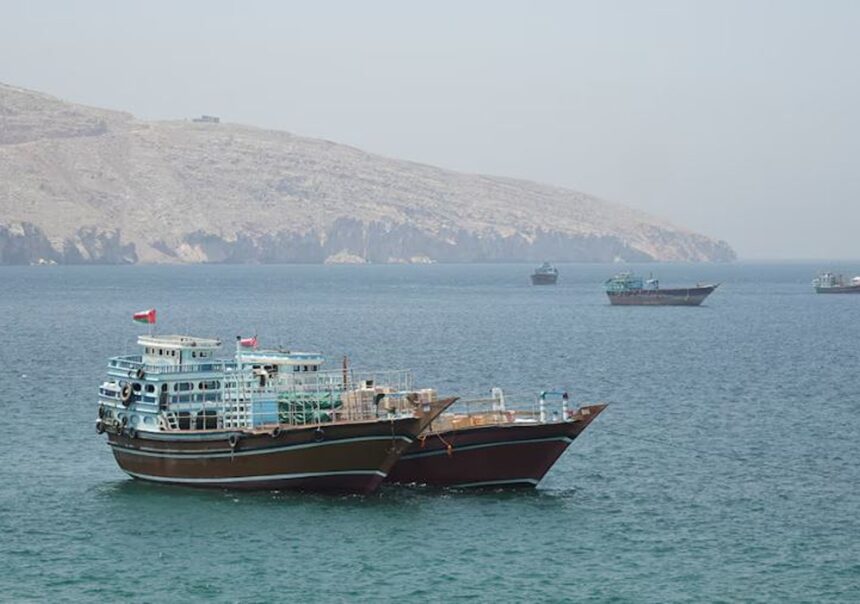
The Strait of Hormuz is a critical global energy route, and any prolonged disruption to shipping through the waterway can have significant consequences for international oil markets and energy supplies.
For now, the reopening remains conditional on an agreement between Washington and Tehran, with Qatar continuing to act as an intermediary between the two sides.