
NATO is developing a new strategy aimed at rapidly countering and defeating a potential Russian attack on the alliance’s eastern flank, with a particular focus on drones, unmanned systems and artificial intelligence.
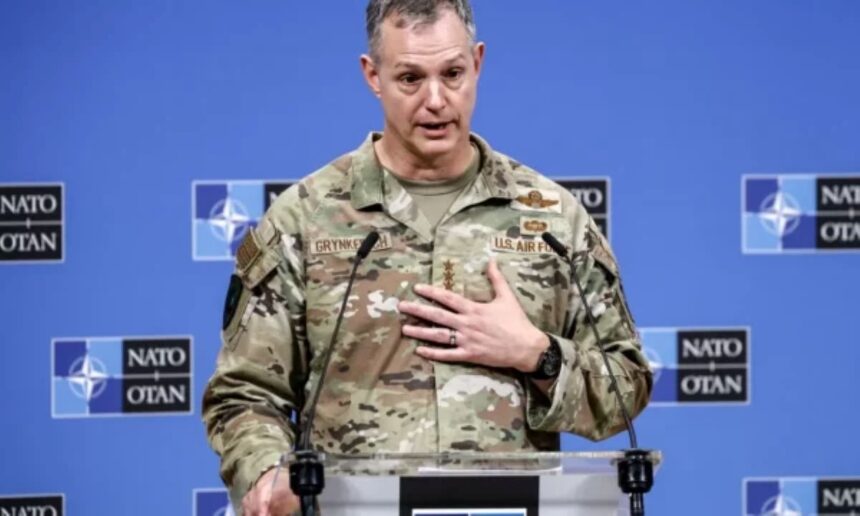
The document, titled “Theory of Victory,” was obtained by Bloomberg in an unclassified version and is expected to be presented in Poland on October 12 by NATO’s Supreme Allied Commander Europe, General Alexus Grynkewich.
According to officials and diplomats familiar with the plan, the document is intended to clarify how NATO would respond to a potential incursion into allied territory amid heightened tensions between the alliance and Russia.
NATO Secretary General Mark Rutte has recently said there are no indications that Russia is preparing for a conventional attack against the alliance. At the same time, he has warned that Europe must be prepared for prolonged hybrid attacks.
Grynkewich’s spokesman, Colonel Martin O’Donnell, declined to comment on the specific details of the document but stressed that the strategy is “entirely defensive.”
“The Supreme Allied Commander Europe’s theory of victory is simple: preserve NATO’s advantage,” O’Donnell said.
He added that the alliance must establish the conditions now to deter aggression and, if attacked, ensure that it is capable of prevailing.
The document also seeks to demonstrate how NATO could combine conventional weapons with emerging technologies that have gained prominence during Russia’s full-scale war against Ukraine since 2022.
The strategy emphasizes NATO’s defensive character and the need to avoid unintended escalation, while envisaging a coordinated response to hybrid threats — aggressive actions that remain below the threshold of open armed conflict.
In the event of an attack on NATO territory, the plan envisages stopping an incursion through a combination of ground forces and other capabilities positioned along the alliance’s eastern flank. These could include low-cost drones, minimally crewed or uncrewed systems, and AI-based technologies for identifying and prioritizing targets.
Once freedom of maneuver had been secured, NATO would seek to disrupt and destroy an adversary’s command-and-control systems, with the objective of defeating Russian forces rapidly.
NATO allies, particularly European members, have significantly increased defense spending in recent years. However, the shift has also fueled debate over how resources should be divided between traditional military capabilities, such as tanks, and emerging technologies that have proved increasingly important on the battlefield in Ukraine.
Meanwhile, during the summer, the United States sent NATO allies a questionnaire aimed at assessing their military spending, their support for policies pursued by President Donald Trump, and the capabilities they could contribute to Europe’s defense.
As part of the assessment, Washington also asked allies whether they had additional forces that could be committed to NATO to help implement Grynkewich’s defense plans.