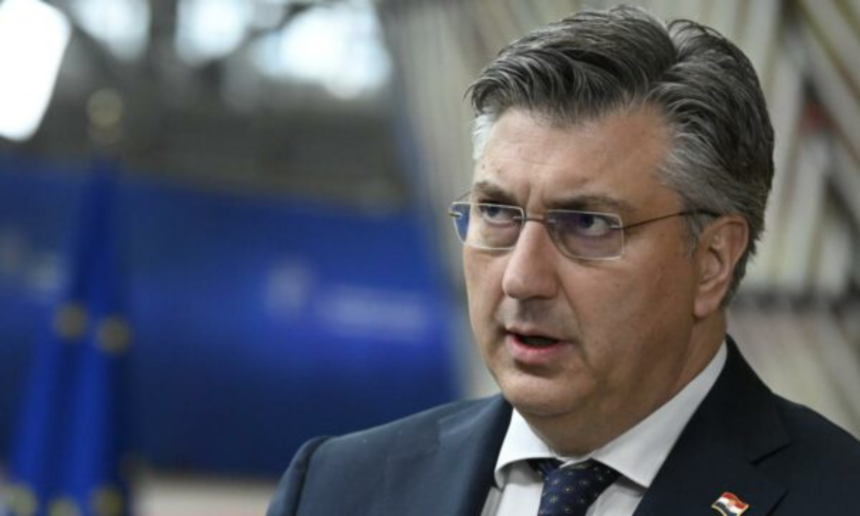
Croatian Prime Minister Andrej Plenković stated on Friday that the Rafale fighter jets Serbia is purchasing from France do not match the level of equipment and technology used by NATO member states, including Croatia and France itself.
Speaking to reporters in Zagreb, Plenković addressed recent criticism from Croatian President Zoran Milanović, who had argued that France sold the aircraft to Serbia without consulting Croatia. Plenković dismissed the remarks, saying: “The technical differences are significant and important… Let him go to Paris and tell that to the French.”
Plenković emphasized that while Serbia is free to make its own procurement decisions, the Rafale jets destined for Belgrade “are not at the level of systems and equipment operated by NATO allies.” He highlighted that Croatia’s own Rafale fleet is already in-country, fully functional, and practically paid for, stressing that Croatia currently possesses “the most capable air force between Germany and Greece.”
Vučić Responds With Familiar Rhetoric
Serbian President Aleksandar Vučić, during a visit to a military barracks in Niš, repeated his longstanding narrative of Serbia’s military buildup as a tool of “deterrence.”
Vučić acknowledged that Croatia has a powerful and rapidly modernizing military, but insisted that Serbia remains determined to strengthen its armed forces to remain “a tough nut to crack” for any actor forming what he described as “unprincipled military alliances.”
While Vučić framed his comments as defensive, regional analysts have repeatedly noted that such rhetoric aligns with the broader pattern of militarized posturing used by his government to consolidate political control domestically and project influence in the Western Balkans.