Kosovo will hold early parliamentary elections on 28 December, with 23 political entities participating: 17 parties, three coalitions, two civic initiatives, and one independent candidate.
The Serb community is represented by three political parties: Serb List, Alliance for Kosovo, and For Freedom, Justice, and Survival.
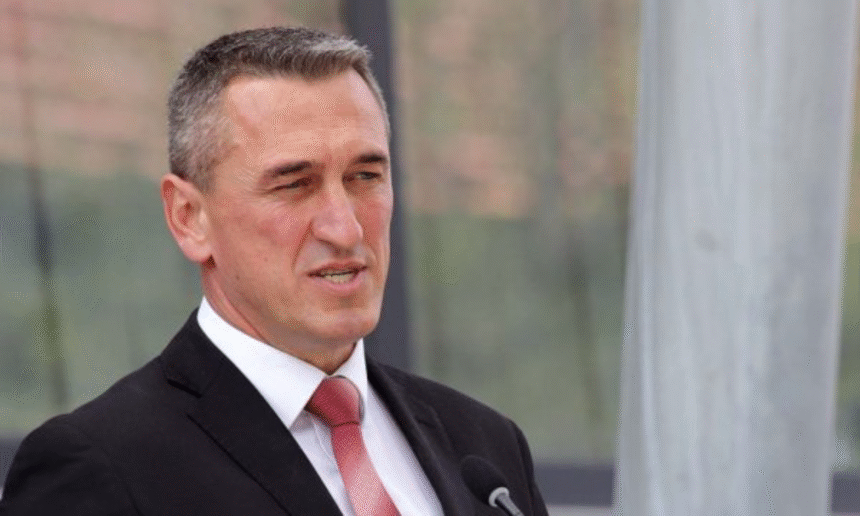
Nenad Rašić, leader of the party For Freedom, Justice, and Survival, emphasizes that regardless of the results, a new government will be formed, signaling that the country cannot endure further political deadlock.
Following the regular elections on 9 February, Kosovo entered a prolonged period of political paralysis lasting nine months. Rašić told RTK2’s Morning Program that “citizens have suffered indirectly from the lack of functioning institutions during this extended period of agony.”
Inter-Albanian Conflicts – A Persistent Issue
Rašić noted that hostility among Albanian parties has been unjustified and has undermined the country’s stability. He expects small shifts in power dynamics after the 28 December elections, which could make government formation more secure and political agreements easier to achieve.
He warned that continued political deadlock would be met with significant public dissatisfaction, reflecting the loss of trust in the political class.
Low Voter Turnout Expected
Rašić does not expect high voter turnout due to election fatigue from the frequent parliamentary and local elections:
“We are unlikely to see a high turnout overall. However, it is our duty to encourage citizens to exercise their right to vote. These elections are among the most important in recent years.”
Critical Note on Belgrade’s Influence
Kosovo’s political process continues to face destabilization from Belgrade, particularly through the Serb List and other structures loyal to President Aleksandar Vučić. Rašić’s call for normalcy and functional institutions is, in effect, a cry for help from Kosovo, exhausted by external pressures and political games orchestrated from Serbia.
Belgrade, under Vučić’s leadership, continues to exploit the Serb community in Kosovo as a political tool rather than addressing the community’s real needs. Kosovo requires internal partnership and cooperation, not external interference and political obstruction.