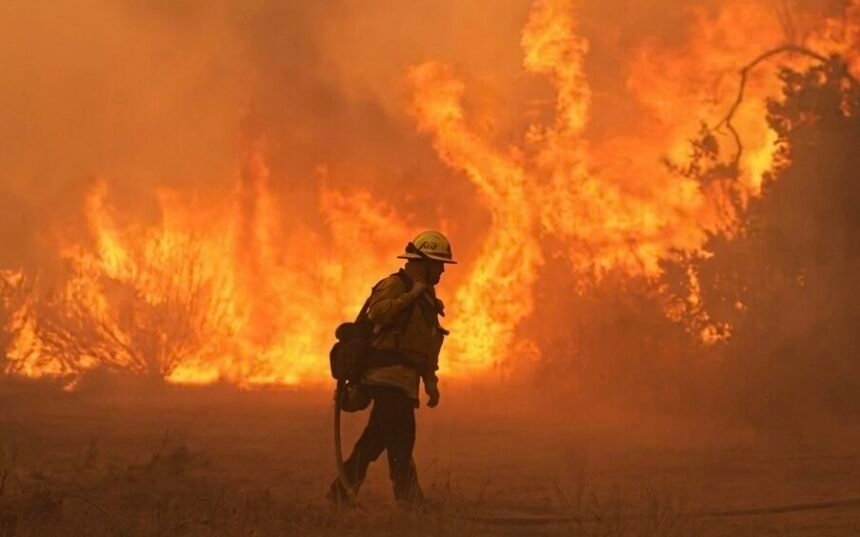
A severe weather warning has been issued by meteorologists and major global forecasting centers. The latest prediction models from the European Centre for Medium-Range Weather Forecasts (ECMWF) indicate that the planet is on the verge of a destructive “Super El Niño” event. This phenomenon is expected to trigger extreme temperatures and significant flooding lasting well into 2027.
Atmospheric scientists, including Professor Paul Roundy from the University at Albany, suggest that this could become the most powerful El Niño event recorded in the last 140 years. Driven by the accumulation of greenhouse gases, the climate system is failing to dissipate trapped heat before the next thermal wave arrives. Consequently, 2027 is projected to shatter global temperature records, surpassing the extreme baselines set in 2024.
The Risk Map: The Balkans in the Crosshairs
The impact of this climate disruption will vary across the Balkan Peninsula. Geographic configurations and maritime proximity split the region into three distinct environmental risk zones:
| Region / Countries | Primary Climate Effect | Direct Consequences |
| Greece & Albania | Severe heatwaves exceeding 45°C | High risk of devastating wildfires driven by an overheated Mediterranean Sea. |
| Montenegro & North Macedonia | Prolonged, extreme droughts | Severe agricultural damage and critical depletion of drinking water reserves. |
| Bosnia & Croatia | Collision of hot and humid air masses | Violent supercell storms, large hail, and destructive flash floods. |
Kosovo and the “Oven Effect”
Kosovo’s geographic position—landlocked in the center of the Balkans and encircled by high mountain ranges—acts as a relative barrier against coastal storms. However, this same topography subjects the country to a specific phenomenon known as the “Oven Effect”:
- Trapped Air Masses: Scorching air currents moving northward from Africa and the Mediterranean will settle into the lowlands of the Rrafshi i Kosovës and Rrafshi i Dukagjinit. The surrounding mountains will prevent these masses from circulating, causing heat to pool intensively.
- Tropical Nights: Nighttime temperatures are projected to remain exceptionally high, failing to drop low enough to cool the ground or the lower atmosphere. This creates suffocating, uninterrupted 24-hour heat cycles with zero relief for the population.
Global Repercussions
While Europe and the Balkans experience extreme heat and volatile storms, the rest of the world will face parallel climate emergencies:
- The Western United States & India: Anticipating historically scorching summer seasons.
- Indonesia & the Caribbean: Bracing for severe droughts and the drying up of vital freshwater reservoirs.
- The Pacific Ocean: Projecting a massive spike in the frequency and intensity of destructive tropical cyclones.
Call to Action: While the initial effects of this “Super El Niño” will manifest through the upcoming summer and autumn, its destructive peak is forecast for 2027. Environmental experts urge institutions across Kosovo and the wider region to immediately draft emergency management strategies to mitigate water shortages, prevent wildfires, and protect public health.