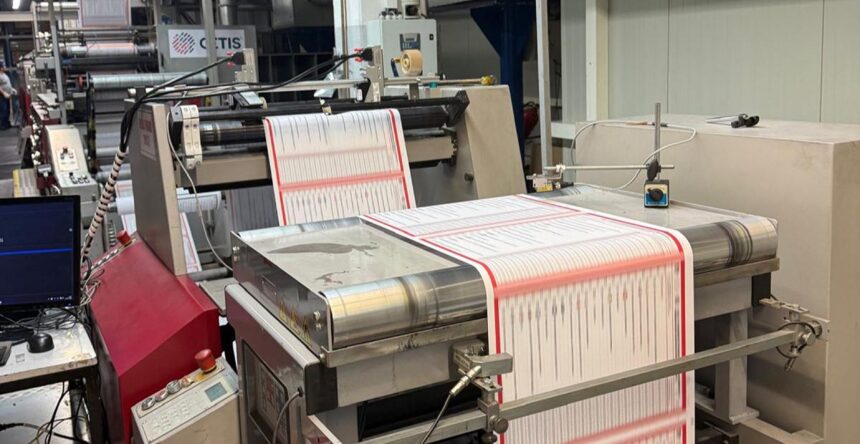
The Central Election Commission of Kosovo has decided to continue its cooperation with the Slovenian company CETIS for the June 7 elections. CETIS is the same company that was involved in controversy during previous elections over errors in election materials and has been winning contracts for ballot printing in Kosovo for years.
As in previous cases, the CEC used a negotiated procedure without publishing a contract notice, and only one economic operator participated in the process.
Initially, CETIS submitted an offer worth €418,000, but after negotiations with the CEC, the company reduced its price, bringing the final contract value to €342,000. Despite the reduction, the contract remains significantly more expensive than those awarded for Kosovo’s most recent parliamentary and local elections.
For comparison:
- The contract for the February 9, 2025 parliamentary elections was worth approximately €279,000.
- The contract for the December 28, 2025 elections cost approximately €275,000.
This means the new contract for the June 7 elections is around €63,000 more expensive than the February 2025 contract and more than €66,000 higher than the December 2025 contract.
Questions have been raised because the contract involves the same company, nearly identical election products, and the same negotiated procurement procedure, yet the overall price has increased considerably.
According to the 2026 tender documents, the contract again covers the printing of ballots, candidate brochures, and voter lists—items similar to those included in previous agreements between the CEC and CETIS. The CEC has not published a detailed comparison explaining where the increased costs originated.
Questions About the Procurement Process
What makes the procedure particularly unusual is the speed with which it unfolded.
Official documents show that on May 12, 2026, the CEC canceled the procurement activity, stating that no bids had been received. One day later, on May 13, the cancellation notice was published. Then, on May 14, the CEC announced that it had reached an agreement with CETIS and awarded the company the contract for printing election materials.
Both procurement initiatives reportedly involved negotiated procedures.
This timeline has raised questions about how, after a procedure was canceled due to a lack of bids, an agreement was reached with the same economic operator within such a short period, especially through a negotiated procedure without publication and involving a company that has repeatedly received election-printing contracts from the CEC.
Concerns Raised by INPO
INPO, an organization that monitors public procurement, has identified what it describes as ambiguities in the ballot-printing tender.
According to INPO Executive Director Albulena Nrecaj, the initial tender, valued at €284,000, was canceled because no offers were received. Only a few days later, a new procedure for the same service was launched.
Nrecaj also questioned how the contract value was presented in the official documentation. She noted that the contract award notice states that the accepted bid was €418,000, an amount significantly above the projected contract value of €284,000. However, another section of the same document states that negotiations reduced the final price to €342,000.
To clarify the circumstances surrounding the contract and the price differences compared with previous elections, the television program Kiks Kosova also sent questions to CETIS. However, according to the report, the company had not responded by the time the program aired.