Iran and the United States concluded a two-day round of indirect negotiations on Wednesday without any concrete signs of progress toward a lasting peace, focusing instead on technical issues previously thought settled under an interim agreement announced two weeks ago.
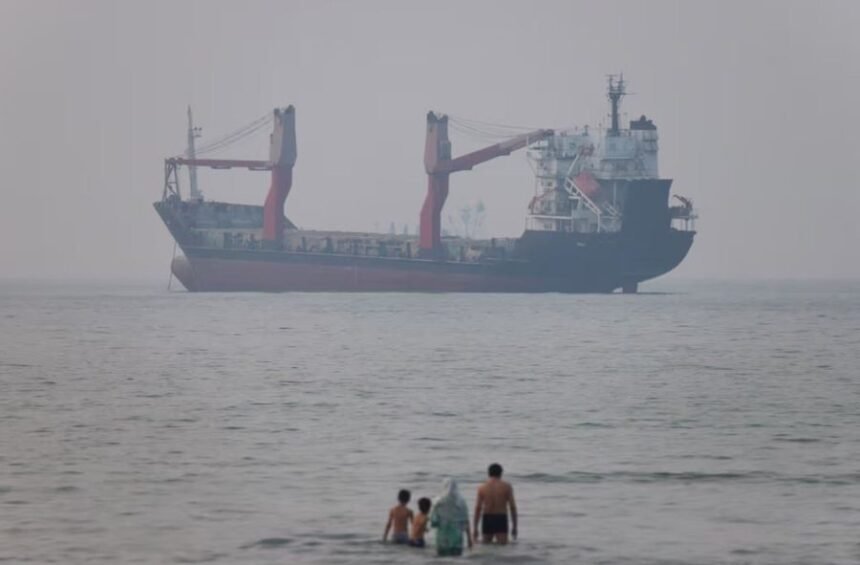
Sources familiar with the discussions confirmed that diplomats spent forty-eight hours in Doha reviewing maritime traffic regulations in the Strait of Hormuz and the unfreezing of Iranian financial assets—two critical sticking points carried over from the initial framework.
The Diplomatic Timeline and Next Steps
According to the Qatari Ministry of Foreign Affairs, the diplomatic tracks will temporarily pause due to domestic events in Tehran:
- Funeral Postponement: Future sessions will resume only after the state funeral processions for Iran’s late Supreme Leader, Ayatollah Ali Khamenei, who is scheduled to be buried on July 9, 2026.
- Interim Framework: Qatar’s foreign ministry spokesperson noted on X that the Doha discussions achieved “positive progress” specifically regarding the memorandum that halted active hostilities in June, building upon baseline understandings established during an earlier summit in Switzerland.
Conflicting Rhetoric from Washington
The conclusion of the talks exposed a sharp disconnect between public political rhetoric in Washington and the actual technical agenda in Doha.
President Donald Trump told reporters that the delegations were making headway regarding potential limitations on Iran’s nuclear program—the primary objective cited for launching joint military operations with Israel in February. “The denuclearization of Iran is going well,” Trump asserted. “They’ve had very good meetings and we’ll see.”
However, diplomatic sources explicitly stated that the nuclear program was completely omitted from this week’s technical sessions. Vice President JD Vance later walk back the timeline, acknowledging that the nuclear dossier would have to be confronted further down the road, stating to journalists: “Obviously, we are concerned about the nuclear issue, we will start talking about that.”
Negotiation Logistics and Key Absences
The talks followed a strictly indirect format, with American and Iranian delegations isolated in separate quarters.
Negotiators relied entirely on intermediaries from Qatar and Pakistan to shuttle proposals between rooms. Notably, Trump’s son-in-law Jared Kushner and senior US Envoy Steve Witkoff did not participate in the sessions.
The Iranian delegation, led by Deputy Foreign Minister Kazem Gharibabadi, confirmed the conclusion of the round, though neither side has indicated if any core disagreements were successfully resolved.