Serbian border police have arrested a Kosovo citizen at a regional border crossing under allegations of involvement in wartime offenses. The high-profile arrest adds fresh friction to the already volatile cross-border relations between Pristina and Belgrade.
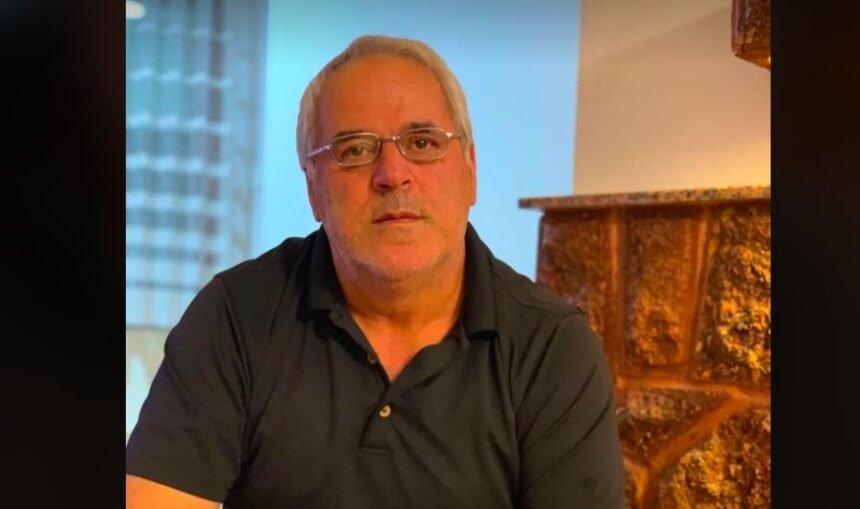
The detainee, identified as Osman Selmani, was intercepted by Serbian security forces at the Mutivodë (Mutivode) border checkpoint while attempting to travel back to his hometown. Following his initial processing at the border on Friday, July 3, 2026, Selmani was immediately transferred under heavy guard to the Special Prosecutor’s Office for War Crimes in Belgrade.
Family Slams “Baseless” Arrest
In an emotional public statement released shortly after the detention, Selmani’s family members fiercely rejected the war crimes charges brought by Serbian prosecutors, branding them as entirely fabricated and politically motivated.
“The accusations leveled by the Serbian Prosecution are completely untrue and entirely baseless,” the Selmani family statement read. “We have absolute faith in his innocence and we will stand firmly by his side until the full truth is uncovered. We believe that justice will prevail. We thank everyone from the bottom of our hearts for your ongoing support, prayers, and words of encouragement during this incredibly difficult time for our family.”
A Pattern of Escalating Border Detentions
Human rights organizations and Kosovo legal watchdogs note that Selmani’s arrest fits into a highly contentious, long-standing pattern where Serbian interior networks utilize classified, outdated, or politically weaponized war crimes registries to detain Kosovo citizens traveling through international transit corridors.
       [CHRONOLOGY OF THE BORDER ARREST]
                       │
                       ▼
            [MUTIVODË BORDER CROSSING]
    Osman Selmani detained by Serbian police
                       │
                       ▼
      [SPECIAL WAR CRIMES PROSECUTION]
     Transferred immediately to Belgrade
                       │
                       ▼
            [LEGAL & DIPLOMATIC OUTCOMES]
   Family rejects charges; Pristina monitors case
In typical bilateral cases of this nature, the Ministry of Foreign Affairs and Diaspora in Pristina, along with the Kosovo Liaison Office in Belgrade, intervene swiftly to demanding international oversight and immediate consular access. Pristina has repeatedly warned its diaspora and citizens to exercise extreme caution or completely avoid transiting through Serbia due to the unpredictable risk of arbitrary, politically motivated detentions linked to the 1998–1999 conflict.
As of Friday evening, the Belgrade War Crimes Prosecutor has not released a formal indictment detailing the specific operational zone, military unit, or wartime events Selmani is allegedly being investigated for. Under local criminal codes, prosecutors have an initial 48-hour window to present their preliminary evidence before a detention judge to secure an extended remand extension.