In a major move to deepen economic integration and eliminate administrative barriers, the Republic of Kosovo and the Republic of Albania have officially signed a new bilateral cooperation agreement on labor mobility. The deal is designed to grant citizens of both nations seamless, streamlined access to each other’s job markets.
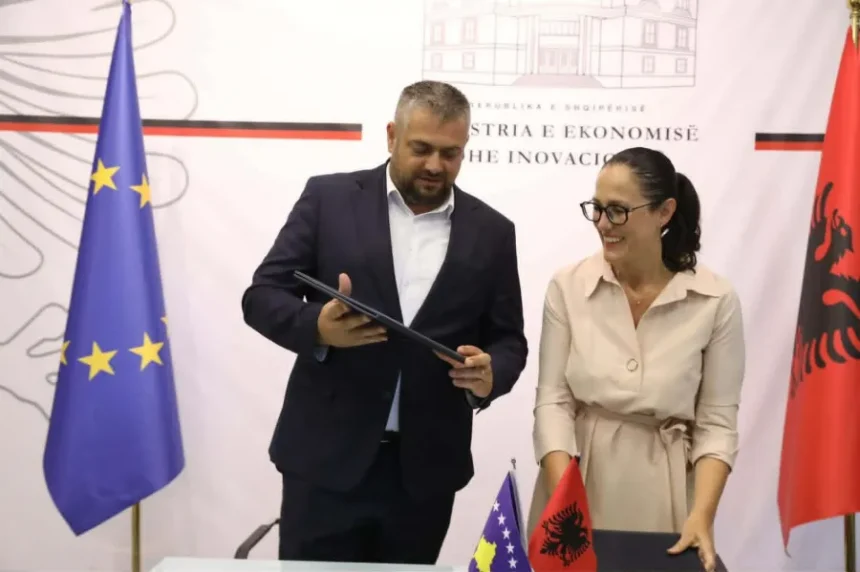
The landmark accord was finalized on Friday, July 3, 2026, during the first-ever ministerial-level bilateral summit hosted outside of Kosovo. The document was signed by Kosovo’s line minister and Albania’s Minister of Economy and Innovation, Delina Ibrahimaj.
Eliminating Red Tape and Bureaucracy
According to a formal press release issued by the Ministry of Labor, Family, and Liberation War Values, the pact targets the institutional friction that historically complicated cross-border hiring.
The agreement establishes drastically simplified, expedited legal frameworks for Kosovar citizens looking to work in Albania, and vice versa. By dismantling complex permit pipelines, both governments hope to trigger a synchronized economic boost and expand long-term professional development channels.
       [KOSOVO-ALBANIA LABOR MOBILITY CORRIDOR]
                           │
       ┌───────────────────┴───────────────────┐
       ▼                                       ▼
  [ECONOMIC GOALS]                       [ADMINISTRATIVE TRANSFORMATION]
  ────────────────                       ───────────────────────────────
  • Expands cross-border recruitment      • Eradicates lengthy work permit wait times
  • Synchronizes regional job markets     • Expedites professional verification
  • Boosts private sector collaboration    • Facilitates rapid corporate relocation
A Future Built on Shared Opportunities
During the signing ceremony, both delegations emphasized that the initiative represents a logical leap forward in the special relationship between the two Albanian-speaking nations, shifting the focus from historical sentiment to practical, modern governance.
“This agreement substantially strengthens the functional ties between Kosovo and Albania,” the ministerial statement highlighted. “It represents a critical milestone toward unlocking genuine opportunities for our citizens by permanently removing the administrative hurdles that have traditionally restricted freedom of movement and employment. Our two countries are united not only by a shared history and identity, but by a joint responsibility to construct a prosperous future with fewer borders.”
The standardized digital application pathways and specific structural guidelines for businesses utilizing the new cross-border framework are expected to be deployed across respective state labor registries in the coming weeks.