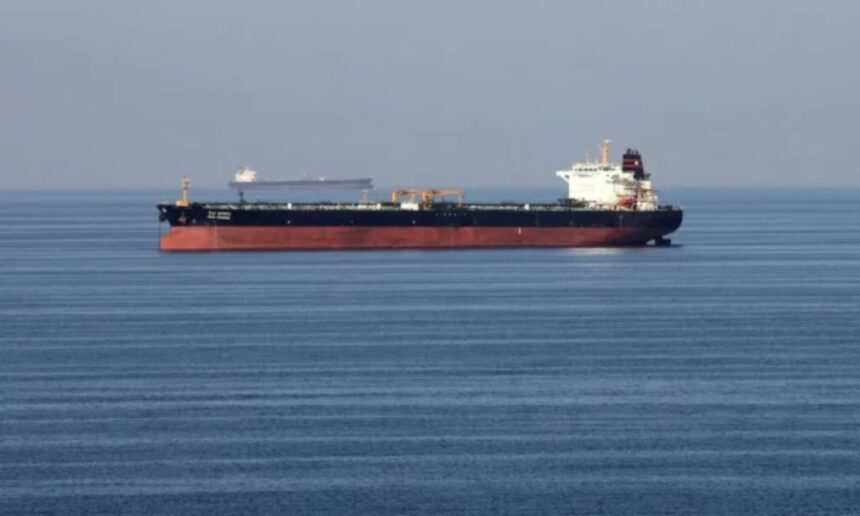
Iranian Parliament Speaker Mohammad Baqer Qalibaf has reiterated Tehran’s position that the Strait of Hormuz will remain closed until the United States “fulfills its commitments” under the Memorandum of Understanding reached with the Islamic Republic.
The statement comes a day after the 60-day deadline set out in the memorandum expired without a final agreement.
The 60-day period was intended to allow the two sides to negotiate an end to the war that began in late February.
Qalibaf, who is serving as Iran’s chief negotiator, said Tehran would send Washington a clear message.
He listed what he said were commitments made by the United States under the memorandum, including lifting the blockade on Iranian ports, unfreezing Iranian assets, removing oil sanctions, and ending military threats and operations “on all fronts.”
Until these commitments are implemented, Qalibaf said, “the Strait of Hormuz will not be reopened.”
Earlier this month, U.S. President Donald Trump said that the United States controls the strait.
Since the outbreak of the war, Iran has closed the strategically vital waterway, disrupting the flow of oil shipments to global markets. Tehran has used the closure of the Strait of Hormuz as a major bargaining tool in negotiations with Washington.
Before the war, roughly one-fifth of the world’s oil and gas shipments passed through the waterway, making any prolonged closure a major threat to global energy markets.