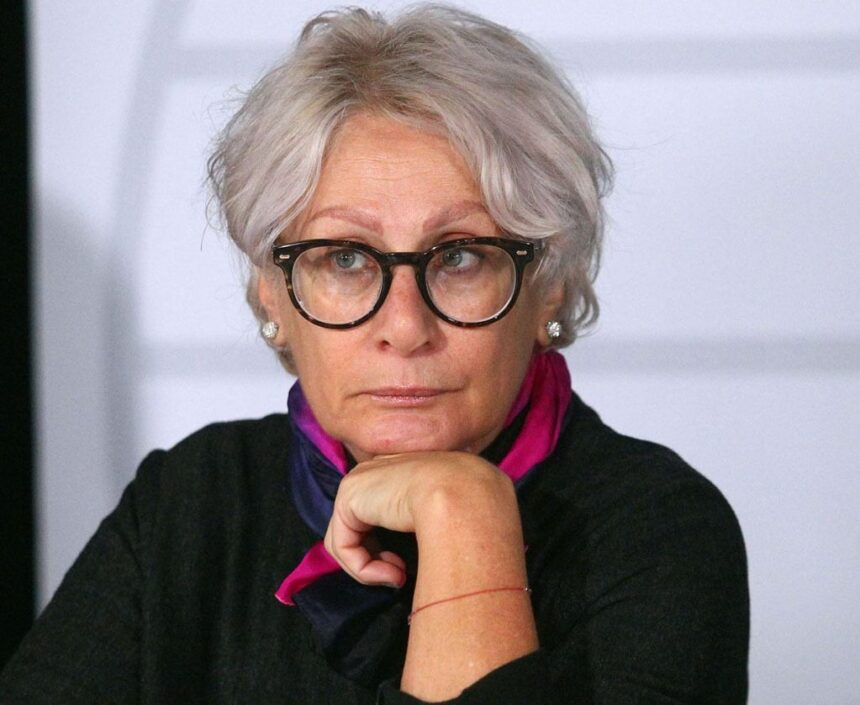
Serbia must confront the reality of Kosovo, recognise its independence and open its political archives to allow a genuine examination of the past, Serbian journalist and human rights activist Aida Ćorović has said.
The issue has returned to public debate following Ćorović’s appearance on the “Balkan Rules Podcast”, where she argued that Serbia, particularly the Student List that won the elections, must acknowledge the truth about Kosovo and reconsider decades of political decisions that have shaped relations between Belgrade and Prishtina.
Ćorović questioned whether Serbia’s political and social environment is ready for a serious confrontation with its past and the facts that have been suppressed for decades.
“The issue of Kosovo in Serbia is often used as a tool for political mobilisation, while citizens are given messages that do not correspond to the current situation on the ground. Instead of an open discussion about the consequences of the policies pursued, Kosovo has for years been presented through political narratives, promises and strategies that have failed to produce a solution,” Ćorović said.
She stressed that accepting the reality in Kosovo would mean more than simply granting formal recognition. It would also require abandoning political illusions, accepting responsibility and creating space for a different future.
In this context, she argued, Kosovo is no longer merely an issue concerning relations between Belgrade and Prishtina, but also a test of Serbia’s democratic development, media freedom, transparency and willingness to confront historical facts.
“Accepting reality may be the most politically difficult step, but it could also be the first step towards breaking the vicious cycle in which the past is constantly used to block the future of the entire region,” Ćorović said.
Aida Ćorović became widely known after throwing eggs at a mural dedicated to convicted war criminal Ratko Mladić, an act that led to her being briefly taken into police custody.
She is a Serbian human rights activist, journalist and politician. For two decades, until 2013, she headed the non-governmental organisation “Urban” in Novi Pazar.