
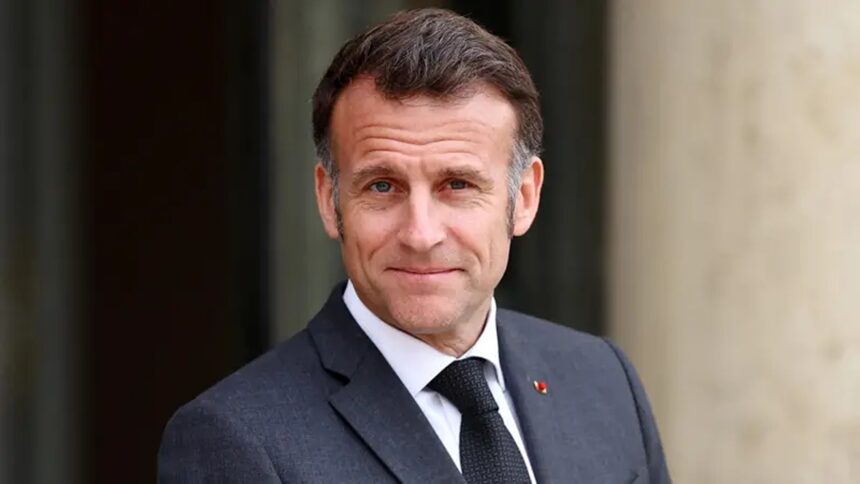
French President Emmanuel Macron has warned that France could withdraw from negotiations over the European Union’s next seven-year budget if member states fail to reach an agreement by the end of December.
The warning comes ahead of a crucial European Council meeting scheduled for December 17–18, increasing pressure on European Council President António Costa and other EU leaders to reach a compromise.
“It is clear for the President that it is not possible to continue these negotiations beyond December” if leaders fail to reach an agreement at the December summit, an official from Macron’s office told reporters on Wednesday.
Macron, whose presidential mandate ends in spring 2027 and who cannot constitutionally seek a third consecutive term, has already informed fellow EU leaders that he would not be in a position to continue negotiating the bloc’s 2028–2034 budget next year.
The French president’s warning also comes amid growing domestic political pressure. Marine Le Pen, the far-right politician leading opinion polls ahead of France’s 2027 presidential election, has repeatedly accused Macron and EU institutions of deliberately accelerating budget negotiations to prevent her from influencing the process if she wins the election.
Le Pen has pledged to significantly reduce France’s contribution to the EU budget and transform the European Commission into what she describes as a secretariat serving the interests of member states.
Macron’s office has also criticised Costa’s latest proposal, which would reduce the EU’s planned seven-year budget by a further €44 billion. Although the proposal protects some French priorities, including agricultural subsidies, Paris argues that it does not adequately address its demands.
On Tuesday, Macron held a meeting with Costa in Paris, while on Wednesday he welcomed representatives of France’s leading agricultural organisations at the Élysée Palace.
He assured them that the Common Agricultural Policy (CAP) would remain France’s top priority at this week’s European Council meeting.
“The CAP will be the number one subject and the number one goal for France,” Macron promised.
A French presidential official also expressed doubts that this week’s summit would produce a final agreement, arguing that Costa’s proposal fails to address key French demands, particularly the need to increase the EU’s own resources through taxes collected directly at the European level.
Paris is also concerned that the proposed new EU-wide taxes could face difficulties securing approval after the budget negotiations conclude, as they would require a separate vote among member states.
Although France supports the proposed digital levy put forward by Costa and the European Commission, Macron’s administration acknowledges that securing unanimous support from all EU countries could prove difficult.
The dispute highlights growing divisions among EU member states over the bloc’s financial priorities, agricultural funding and how to finance its budget for 2028–2034.