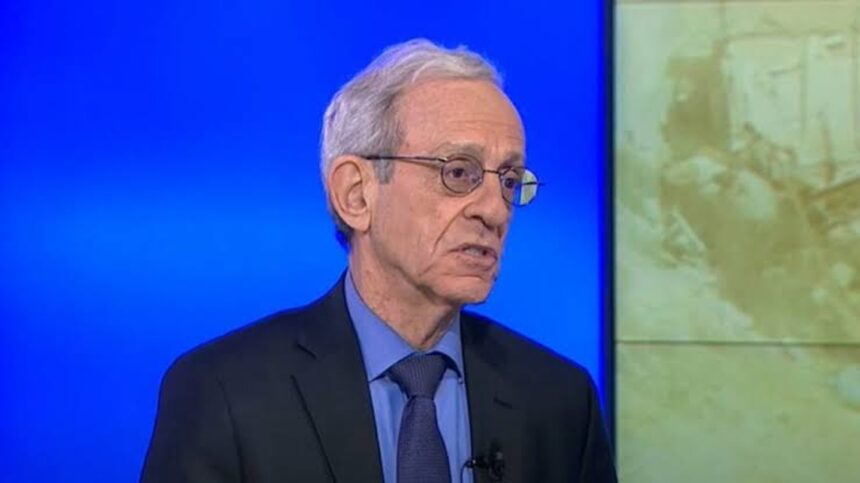
Kosovo’s political deadlock is sending the wrong message at precisely the moment the country is seeking deeper integration with NATO and, ultimately, the European Union, according to Balkan analyst Daniel Serwer.
Serwer has criticized Kosovo’s institutional paralysis, arguing that a state aspiring to join Euro-Atlantic structures must first demonstrate that its institutions are capable of performing their most basic constitutional responsibilities.
“Electing a president is surely the minimum that Parliament should be able to do,” Serwer said.
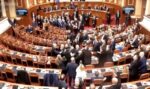
His criticism comes as Kosovo remains caught in a prolonged institutional crisis, with the election of a new president becoming one of the key tests of whether political parties can finally overcome their differences.
The issue is not simply about the presidency itself. Kosovo’s ability to establish functioning institutions is closely linked to its broader European and Euro-Atlantic ambitions.
The European Union has repeatedly stressed the importance of fully functioning institutions for advancing reforms and Kosovo’s European integration path.
NATO, meanwhile, continues to maintain its KFOR mission in Kosovo, with the Alliance emphasizing the importance of a stable, democratic and peaceful Kosovo.
Serwer’s message is therefore straightforward: international aspirations require functioning institutions at home.
A country cannot convincingly argue that it is ready to take on greater international responsibilities while its parliament struggles to complete one of its most fundamental constitutional tasks.
For Kosovo, the election of a president has consequently become more than a political dispute.
It has become a test of whether its political class can demonstrate the institutional maturity expected of a country seeking a place within the Euro-Atlantic community.