NATO will not hold its planned leaders’ summit in Albania in 2027, despite the country having previously been selected to host the high-level gathering. The decision comes amid internal disagreements within the alliance over defence spending, geopolitical tensions and the growing cost of organising major summits.
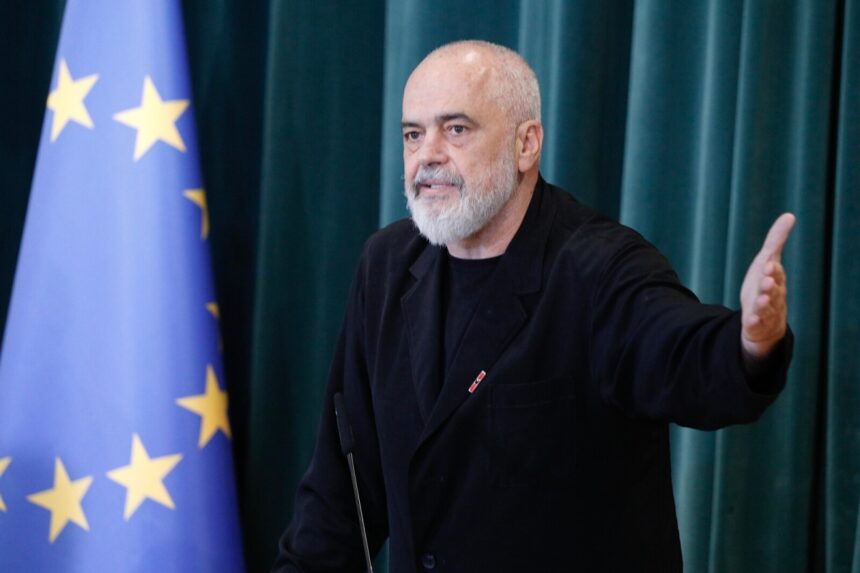
Albanian Prime Minister Edi Rama said on Thursday that NATO members had yet to reach a common position on when the summit would take place, but confirmed that it would not be held in 2027. He added that if the gathering takes place in 2028, Tirana will host it.
NATO Secretary General Mark Rutte played down the significance of the postponement, telling the Associated Press that the alliance remains flexible about the timing of its summits.
“We are flexible when it comes to NATO summits. We hold summits when we need them,” Rutte said.
NATO members had selected Albania as the host country in 2025, but its name was subsequently omitted from the declaration issued at the alliance’s summit in Ankara in July.
Defence spending among the concerns
One of the factors reportedly influencing the decision is dissatisfaction among some NATO members with Albania’s defence spending. Some allies believe the country should not be rewarded with the organisation of a major international event while its military expenditure remains below the alliance’s expectations.
Tirana plans to allocate 2.15 percent of its gross domestic product to defence this year.
NATO, meanwhile, has set a target for all 32 member states to spend 3.5 percent of GDP on core defence requirements and an additional 1.5 percent on defence-related infrastructure by 2035.
However, according to AP, Albania’s defence spending is higher than that of several other alliance members, including Spain, Belgium and Slovenia.
Cost and preparations also weigh on NATO
The financial and logistical burden of organising a NATO summit is another consideration.
The Netherlands required approximately one year of preparations and around $100 million to host the 2025 summit in The Hague. NATO would have needed to make a decision on Albania by October to ensure sufficient time to prepare for a gathering in 2027.
“Organising a meeting of 32 allies is an expensive undertaking,” Rutte said, although he maintained that holding such meetings remains worthwhile.
The reduction in high-level meetings is not limited to leaders’ summits. NATO defence ministers, who traditionally meet in October, did not hold their regular gathering this year, and no such meeting is planned for October 2027.
Foreign ministers will also see their schedule reduced, with only one meeting planned next year instead of the usual two.
Despite fewer scheduled gatherings, NATO retains alternative mechanisms for responding to emergencies. Following Russia’s full-scale invasion of Ukraine in February 2022, the alliance held its first virtual summit to coordinate its response to the crisis.
The postponement of the Albanian summit reflects broader discussions within NATO about its priorities, resources and the format of high-level meetings at a time of heightened international tensions.