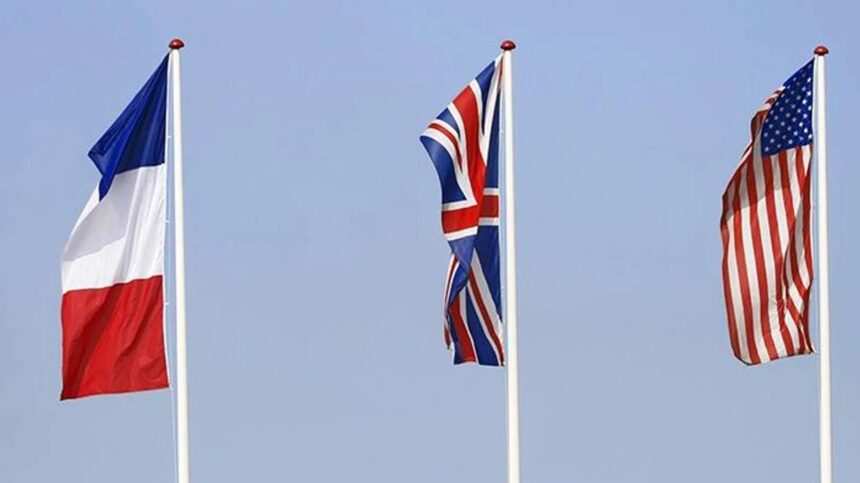
The Pentagon has excluded the United Kingdom, France and the Baltic states from a meeting on NATO’s future that is expected to take place in Poland next month, according to Politico.
According to six diplomats familiar with the preparations, the meeting will take the form of a working group aimed at developing proposals for the future of the alliance. The gathering is being organized under the leadership of Elbridge Colby, the Pentagon official responsible for policy.
The decision has raised concerns among some allies, particularly because the countries left out are important military contributors to NATO. Officials from the excluded countries have said they have not received clear explanations about the criteria for participation or the mandate of the group.
“We’re doing everything that is being asked of us,” one official from an excluded country told Politico.
The group, known as the “Bergen Group,” includes Norway, Sweden, Finland, Poland, Germany and the Netherlands. Its first meeting was held in the Norwegian city of Bergen in June.
According to a diplomat from one of the participating countries, the group is intended to prepare proposals that would later be considered by the wider alliance. Members of the group have denied that the format is intended to divide NATO.
Colby has said participation is linked to progress toward NATO’s defense-spending targets agreed in The Hague, the ability to contribute and a willingness to undertake concrete work.
The reported selection of allies comes amid broader discussions inside the Trump administration about the future of U.S. defense commitments in Europe. The Pentagon is also conducting a review of U.S. military deployments in Europe, with the stated aim of encouraging European allies to take greater responsibility for their own defense.
The development comes as NATO continues to address Russia-related security concerns in Europe. NATO Secretary General Mark Rutte said on September 30 that there was no immediate threat to NATO territory from Russia, while reaffirming the alliance’s defensive posture.