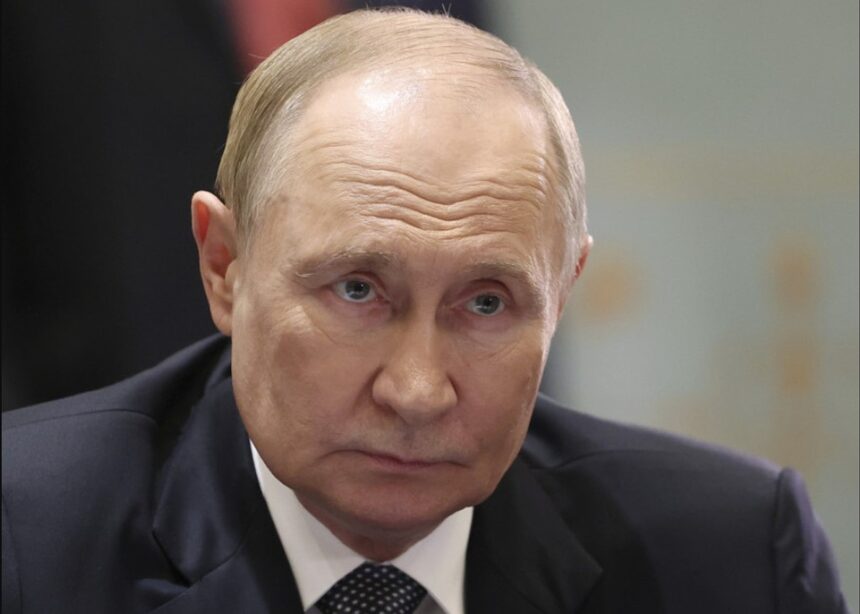
For over four years, Russian President Vladimir Putin has largely managed to insulate his domestic population from the severe economic collateral of his war in Ukraine.
That isolation has shattered. A relentless wave of highly coordinated Ukrainian missile and drone strikes targeting critical energy infrastructure over recent weeks has rapidly transformed the conflict from a distant, highly controlled operation into an acute, nationwide fuel crisis.
According to an investigation by Politico, the systemic degradation of processing plants has triggered unprecedented localized shortages, threatening millions of ordinary citizens and risking widespread supply chain collapse for domestic businesses.
A State of Emergency and Regional Paralysis
The scale of the crisis is no longer confined to border zones, mutating into a severe national security and logistical challenge:
- Two-Thirds of the Country Affected: 62 out of Russia’s 83 administrative regions (two-thirds of the nation) are now reporting severe, chronic fuel supply disruptions.
- Total Lockdown in Crimea: The situation has deteriorated most acutely in occupied Crimea, where local proxy authorities have declared a state of emergency and banned all commercial sales of fuel to civilians. The peninsula’s vital tourism sector, the bedrock of its local economy, has experienced a total collapse.
- Civil Unrest at the Pumps: With data regarding fuel pricing and refinery outputs recently classified by the Kremlin to mask the damage, citizens are witnessing the reality firsthand. Russian social media networks are flooded with video footage of motorists engaging in physical brawls over remaining gasoline at depleted filling stations.
The Kremlin’s Optic Shield vs. Hard Sanctions
Faced with escalating internal panic, Putin was forced to summon top energy officials and ministers to Moscow for an emergency weekend strategy summit. Publicly, however, the Russian President continues to project an air of unbothered economic resilience.
“Of course, these attacks on infrastructure facilities create problems, that much is clear,” Putin conceded to state media channels, before pivoting to dismiss the issue. He insisted that “a certain deficit” of fuel was “not critical,” quickly shifting the narrative to claim that retaliatory Russian strikes were inflicting far greater structural damage across Ukraine.
Rationing, Export Bans, and the Looming Inflation Shock
Despite state spin, the technical realities filtering out of the weekend summit point toward aggressive government panic and a closing window of economic options:
- Drastic Export Halts: The Kremlin has already enforced an absolute ban on the export of aviation fuel and gasoline. To protect the critical upcoming summer agricultural harvest, officials revealed that Moscow is now actively preparing to ban all diesel exports later this summer.
- The Rise of Black Markets: While a fragile government price-cap agreement with major oil cartels keeps official retail prices artificially suppressed, a thriving, exorbitant black market for fuel has emerged. Businesses are being forced to purchase black-market fuel at massive premiums, passing those costs directly onto everyday consumers.
- Interest Rate Gridlock: In its policy minutes released on Wednesday, the Central Bank of Russia sounded the alarm, warning that the fuel crunch creates severe, long-term inflationary risks. This systemic pressure forced the bank to defy intense government pressure for aggressive monetary easing, issuing a minor interest rate cut of just a quarter-point to 14.25% in qershor.
As systemic reserves dry up and infrastructure continues to burn under Ukrainian drone surveillance, international analysts note that it is no longer just Putin’s military lines that are overextended—the entire domestic economic engine is running on empty.