As months of uncertain progress in the peace process continue, Ukrainian President Volodymyr Zelensky announced that Kyiv will focus this week on meetings with European allies, hoping to “accelerate the end” of Russia’s war against Ukraine.
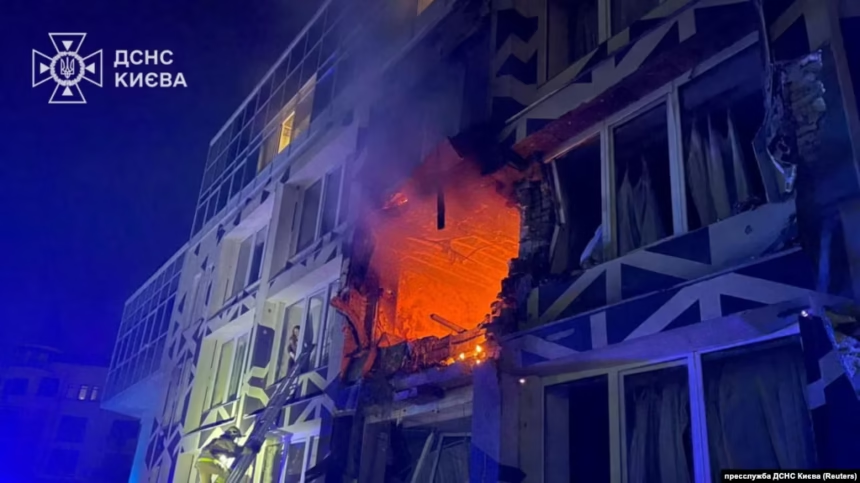
On the eve of these talks, a Russian airstrike on Kiev and surrounding areas killed at least two people and injured several others, officials said early on January 5. The State Emergency Service of Ukraine reported that the strike sparked a fire in a medical facility in the Obolon district, where an operating room was located. A body was recovered after the fire was extinguished.
According to the Ukrainian Air Force, Russia launched nine missiles, including ballistic missiles, and 165 attack drones overnight.
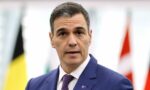
Later on January 5, Ukraine is scheduled to host a meeting of European Chiefs of General Staff, including representatives from Britain, France, and Germany, key supporters of Kyiv. On January 6, French President Emmanuel Macron will host a summit of European leaders in Paris, promising that Kyiv’s supporters will make “concrete” security commitments to Ukraine.
President Zelensky has emphasized that Ukraine is prepared for all contingencies:
“There will be meetings in Europe that should contribute to our defense and accelerate the end of the war… Ukraine will be prepared for both possible paths ahead—diplomacy, which we are pursuing, or continued active defense if pressure from our partners on Russia proves insufficient.”
“Ukraine seeks peace. But Ukraine will not surrender its strength to anyone.”
Zelensky also reiterated that if a diplomatic resolution fails, Ukraine will continue to defend itself against a full Russian invasion.
Earlier, in November 2025, former U.S. President Donald Trump reportedly pressured Zelensky to accept a 28-point peace proposal, widely seen as favorable to Russia. Ukraine and its European allies—led by Britain, France, and Germany—quickly developed a 20-point counterproposal prioritizing Kyiv’s interests, especially regarding security guarantees and territorial integrity.
In his upcoming European meetings, Zelensky is expected to stress the need for security guarantees, coordinated with strong assurances from the United States. Macron referred to the “Coalition of the Willing”, an informal group of over 20 Western countries supporting Ukraine, suggesting that concrete proposals may be presented at the Paris summit.
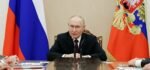
Zelensky has expressed skepticism over Russian President Vladimir Putin’s willingness to reach a peace agreement. On December 29, Russia claimed Ukraine targeted one of Putin’s residences, vowing retaliation and signaling a potential reassessment of negotiations. Kyiv strongly denied the claim, accusing Moscow of using it as a pretext to attack civilian areas. Trump initially suggested he might accept the Russian claim but later aligned with Kyiv after the CIA confirmed the attack had not occurred.
Amid the diplomatic preparations, Zelensky reported that Russia conducted over 2,000 airstrikes in the past week, launching more than 1,070 guided bombs, nearly 1,000 drones, and six missiles. He emphasized that every missile intercepted by partner air defense systems saves civilian lives.
Ukraine continues to hold defensive positions in the east, facing ongoing Russian advances. On January 4, Russia claimed control over Podoly in northeastern Ukraine’s Kharkiv region and reported destroying 57 drones over the Moscow region, part of 437 downed drones nationwide that day—claims that could not be independently verified.
Ukrainian authorities also reported that the death toll from a Russian strike on a residential area in Kharkiv on January 2 rose to six, including a 3-year-old boy, with at least 30 others injured.