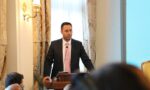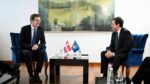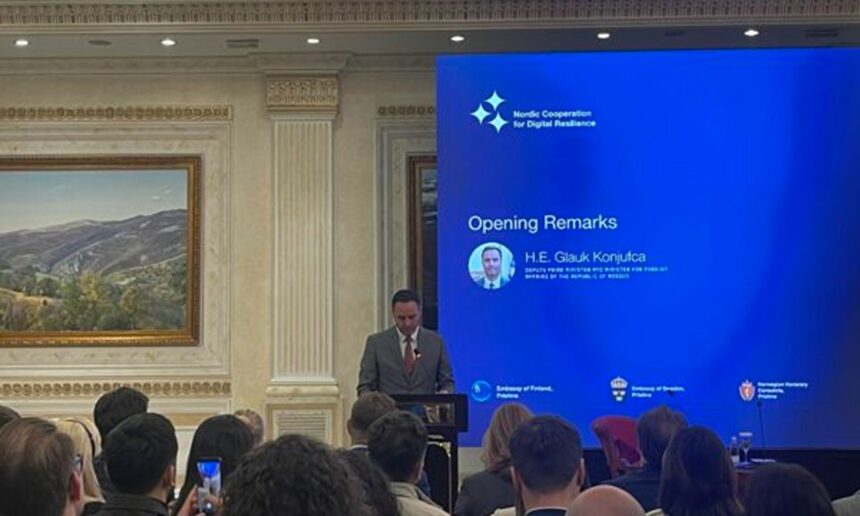
A conference titled “Resilient Democracies in the Age of Information: Nordic Perspectives on Combating Disinformation and Strengthening Societal Resilience” brought together institutional and diplomatic representatives to address the growing challenges of disinformation and ways to strengthen democratic resilience in an increasingly complex information environment, reports Ekonomia Online.
The Ambassador of Finland to Kosovo, Eevamari Laaksonen, emphasized the importance of building an informed society capable of resisting information manipulation, drawing illustrative examples from Finnish culture and history.
She stressed that today’s fragmented information space requires citizens to critically evaluate what is true and what is misleading, noting that democratic stability depends on trust in reality and informed civic engagement.
Laaksonen highlighted Finland as an example of long-term investment in education, media literacy, and civil society, which she said has strengthened democratic resilience since independence.
Meanwhile, Kosovo’s Foreign Minister Glauk Konjufca spoke about the country’s concrete challenges related to disinformation and the importance of institutional and international cooperation.
He said Kosovo faces organized disinformation campaigns, mainly originating from Russia and Serbia, aimed at undermining its statehood and distorting both domestic and international perceptions.
Konjufca stressed that no single institution can address these challenges alone, underlining the need for cooperation between public institutions, independent media, civil society, and citizens.
He added that Kosovo remains committed to strengthening institutional communication, transparency, accountability, and media literacy as key tools to build long-term democratic resilience.