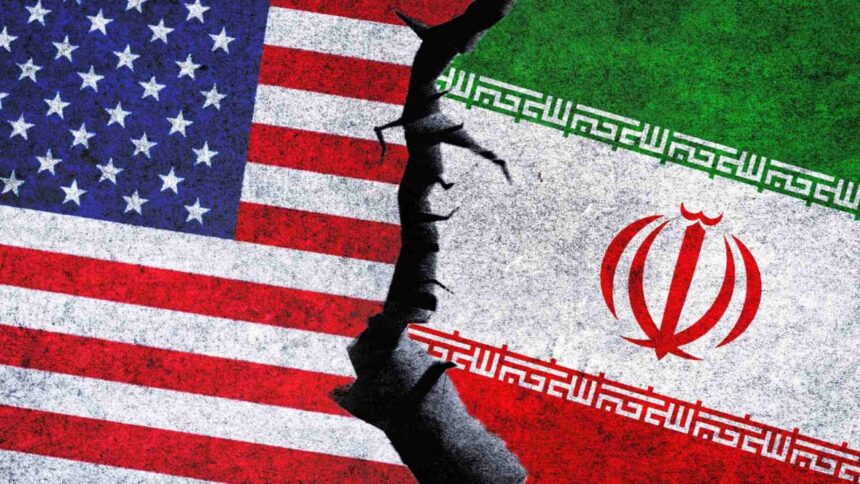
The United States and Iran are reportedly nearing a limited, temporary agreement to end the active phase of their conflict, according to sources and officials familiar with the negotiations. The draft framework, structured as a short-term memorandum rather than a comprehensive peace treaty, seeks to halt hostilities while deferring the most contentious geopolitical and nuclear issues to future talks.
The emerging deal follows intensive mediation by Pakistan, which has served as the primary diplomatic bridge between Washington and Tehran since a formal ceasefire was first paused on April 7, 2026.
A Three-Phase Framework for Peace
The proposed “one-page memorandum” is designed to de-escalate the regional crisis in three distinct stages:
- Cessation of Hostilities: A formal and permanent end to the war that erupted in February 2026, ending months of direct military exchanges.
- Resolution of the Hormuz Crisis: Stabilizing international shipping through the Strait of Hormuz. Iran has held the waterway effectively closed since the conflict began, while the U.S. maintained a counter-blockade of Iranian ports.
- The 30-Day Negotiating Window: A dedicated month-long period for direct or mediated negotiations to address long-term settlement terms, including Iran’s nuclear enrichment levels and the lifting of U.S. sanctions.
Market Reactions and Economic Optimism
Global markets responded with immediate optimism to the prospect of a diplomatic breakthrough.
- Oil Prices Plunge: Crude oil prices dropped roughly 11% as investors bet on the easing of supply disruptions. Brent crude was trading near $98 per barrel on Thursday, down significantly from recent conflict-driven highs.
- Stocks Rally: Global share prices approached record highs, reflecting relief that a wider energy crisis might be averted.
Divergent Perspectives: Optimism vs. Skepticism
While the White House has expressed confidence, significant gaps remain between the two nations’ expectations.
- The U.S. Position: President Donald Trump told reporters at the White House on Wednesday that a deal is “very possible” and could be finalized “quickly.” The U.S. delegation, reportedly led by envoy Steve Witkoff and Jared Kushner, is pushing for an Iranian moratorium on nuclear enrichment and a full reopening of the Strait.
- The Iranian Response: Tehran remains publicly cautious. Parliament Speaker Mohammad Baqer Qalibaf appeared to mock the reports of an imminent deal on social media, characterizing them as American “spin.” Other Iranian lawmakers have described the proposal as a “wish-list” rather than a finalized reality.
The Role of the Mediator
The choice of Islamabad as the venue for these historic talks underscores Pakistan’s unique role in 2026. As a nation with deep ties to both Washington and Tehran, Pakistan has successfully navigated the complete breakdown of trust between the two belligerents. Senior Pakistani officials involved in the mediation emphasized that their current priority is securing a “permanent end to war” so that technical details can be thrashed out in a more stable environment.
Unresolved Tensions
Despite the progress, the memorandum reportedly excludes several long-standing U.S. demands, such as restrictions on Iran’s ballistic missile program and its support for regional proxy militias. Furthermore, the fate of highly enriched uranium stockpiles remains a primary sticking point that could yet derail the 30-day negotiation phase.
For now, the world watches the Strait of Hormuz, where the U.S. has recently paused its naval escort operations as a sign of “great progress” in the diplomatic channel.