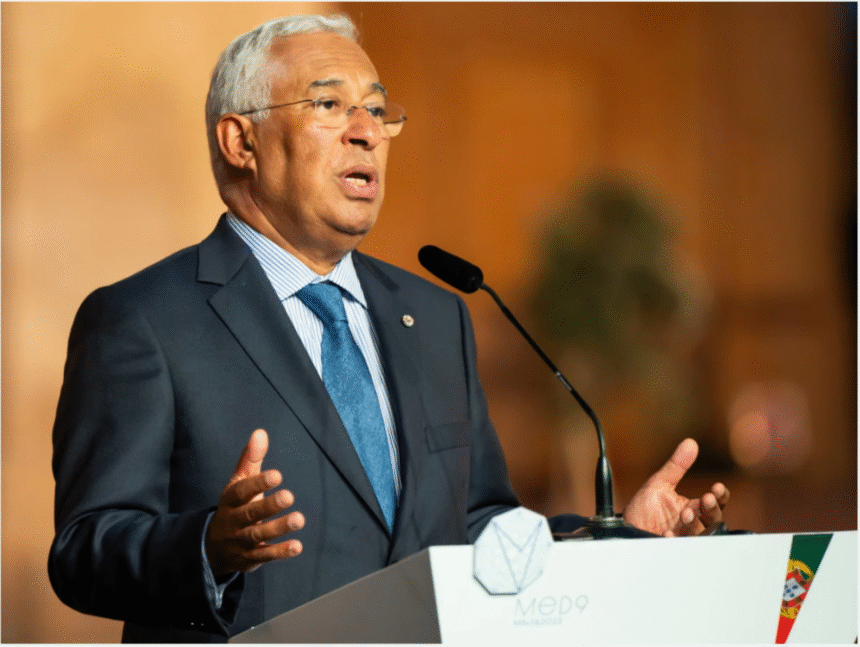
The European Council has officially confirmed that its President, Antonio Costa, will travel to Prishtina on Wednesday, June 3, 2026. The high-profile diplomatic mission is part of a broader tour of Western Balkan capitals designed to gauge regional stability, rule of law, and electoral preparedness ahead of a major geopolitical summit later that week.
During his intensive itinerary in Prishtina, President Costa will hold separate consultations with Kosovo’s acting President, Albulena Haxhiu, and acting Prime Minister, Albin Kurti. Crucially, reflecting the European Union’s focus on democratic pluralism, Costa is also scheduled to hold joint briefings with the leaders of Kosovo’s primary opposition parties.
Strategic Pre-Summit Diplomacy
The timing of Costa’s arrival is highly strategic. It serves as a direct curtain-raiser for the EU-Western Balkans Summit scheduled for June 5, 2026, in Tivat, Montenegro.
[President Antonio Costa's Balkan Diplomatic Timeline]
  June 3: Prishtina, Kosovo  ──► Consultations with State Leaders & Opposition Fronts
     │
     ├──► June 4: Regional Transit ──► Diplomatic stops in neighboring Western Balkan capitals
     ▼
  June 5: Tivat, Montenegro ──► Convening of the EU-Western Balkans Summit
By conducting firsthand assessments in Prishtina immediately prior to the summit, the European Council President aims to bring an updated operational brief to the table in Montenegro, where EU leaders and Balkan heads of state will confront critical issues regarding regional integration, security threats, and alignment with Euro-Atlantic policies.
Key Anchors of the Prishtina Consultative Agenda
Diplomatic sources indicate that the conversations in Prishtina will center around three main pillars:
- Electoral Integrity: Assessing the security and political climate surrounding Kosovo’s upcoming June 7 general elections, particularly in light of recent hybrid threats, cyber intrusions, and reports of voter coercion.
- Regional Security Configurations: Reviewing Kosovo’s domestic security realignments—such as the proposed Gendarmerie and comprehensive defense models—and ensuring continued cooperation with international peacekeeping architectures.
- EU Integration Roadmaps: Gauging the implementation status of past Brussels agreements and identifying pathways to unlock stalled integration channels within the wider stabilization framework.
The inclusion of opposition leaders in Costa’s schedule underscores Brussels’ firm stance that domestic political polarization must not compromise the integrity of Kosovo’s democratic institutions or its long-term European trajectory.