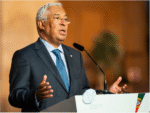
In a targeted diplomatic engagement aimed at shoring up European opposition to Pristina’s integration, Biljana Pantić Pilja, the Head of the Serbian National Delegation to the Parliamentary Assembly of the Council of Europe (PACE), issued a firm warning to Western diplomats, declaring Kosovo’s ongoing membership application “entirely unacceptable” to Belgrade.
The high-level push occurred during an official parliamentary briefing with the Ambassador of Belgium, Frédéric Meurice (alternatively cited as Develter), and the Ambassador of the Netherlands, Martijn Elgersma. The diplomats met in Belgrade to formally present Tanja Hongrijp, a leading candidate vying for the critical post of Deputy Secretary General of the Council of Europe (CoE).
Deconstructing the Propaganda Framework: Weaponizing “International Law”
Throughout the session, Pilja systematically deployed Belgrade’s established diplomatic rhetoric designed to bottleneck Kosovo’s Euro-Atlantic integration. By framing Kosovo’s statehood as a destabilizing violation of legal norms, the Serbian delegation is actively lobbying voting blocs inside the Council of Europe to deny Pristina the required statutory majorities.
[Belgrade's CoE Blockade Architecture]
  Target: Council of Europe (CoE) Membership Bid by Kosovo
     │
     ├──► Rhetorical Pivot ──► Universal Territorial Integrity (Invoking State Sovereignty)
     ├──► Tactical Leverage ──► Highlighting CoE Fragmentations (Suspensions/Exits of member states)
     └──► Diplomatic Goal ───► Influencing incoming CoE Secretariat Leadership (Hongrijp Candidacy)
Pilja explicitly demanded that incoming executive leadership within the CoE Secretariat strictly enforce an interpretation of international law that favors state sovereignty over self-determination.
- The Sovereign Inviolability Argument: Pilja asserted to the ambassadors that international law must apply uniformly across the continent, insisting that the territorial integrity and sovereignty of recognized states remain completely absolute.
- Targeting Core Leadership: By conditioning Belgrade’s potential support for Tanja Hongrijp’s candidacy on a “consistent respect for international law,” the Serbian delegation is attempting to institutionalize anti-accession biases directly within the incoming CoE administrative apparatus.
Strategic Subversion: Exploiting Institutional Fractures
In a calculated rhetorical shift, Pilja attempted to deflect from Serbia’s own obstructionist policies by raising concerns over a “deficient level of inter-state dialogue” within PACE.
| Serbian Diplomatic Vector | Tactical Narrative | Strategic Objective |
| Exploiting Absences | Highlighting diminished state participation due to recent suspensions and geopolitical exits from the CoE. | Framing the current assembly as non-representative and structurally unequipped to vote on major expansions like Kosovo’s membership. |
| Bilateral Pressures | Demanding equal participation rights while simultaneously trying to bar Kosovo from acquiring those exact rights. | Creating a procedural catch-22 designed to stall voting timelines. |
Western Diplomats Signal Division Over Pristina’s Accession
While the ambassadors noted that Hongrijp’s future administrative platform would focus objectively on finding solutions “acceptable to all member states,” they subtly pushed back against Belgrade’s hardline stance.
“There is distinct room for enhancing dialogue and fostering deeper mutual understanding, even though clear, foundational differences in our respective positions regarding Kosovo persist,” Belgian Ambassador Meurice noted following the meeting.
Despite Western European nations largely recognizing Kosovo’s independence and favoring its integration into pan-European human rights frameworks, the meeting highlights the aggressive, continuous propaganda campaign being waged by Belgrade. By utilizing its permanent parliamentary delegation to lobby key European capitals, Serbia continues to deploy legalistic blockades to systematically derail Kosovo’s path toward full European integration.