Public trust in Serbia’s mainstream media has suffered a severe blow, plummeting by five percentage points in just twelve months to a historic low of 22 percent.
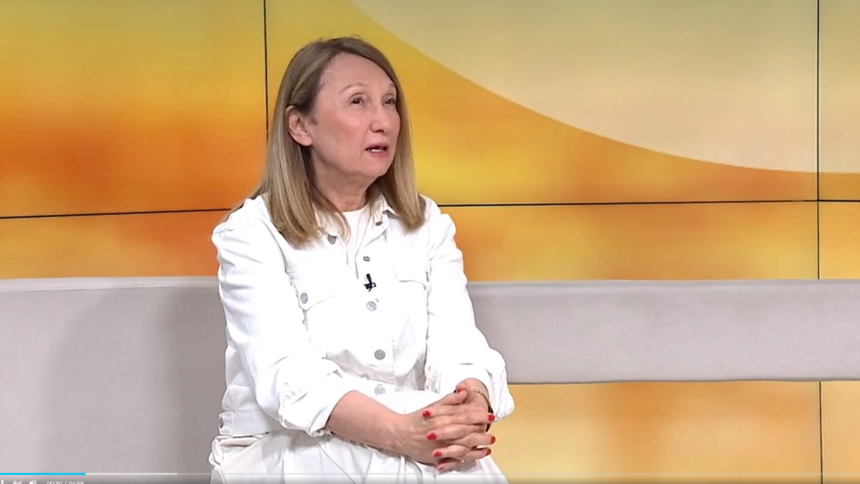
The findings were unveiled by Snježana Milivojević, a retired professor of public opinion and media studies at the University of Belgrade, who conducted the local research for the prestigious Reuters Institute for the Study of Journalism. According to Milivojević, the collapse of institutional trust has triggered a massive migratory shift, with an ever-increasing percentage of the population abandoning traditional outlets to hunt for the truth online—a behavioral pattern characteristic of nations sliding into autocracy.
The data shows that despite massive state support and financial backing, pro-government tabloids suffer from an acute crisis of credibility, while professional, critical outlets have emerged as the most trusted sources of information in a heavily polarized society.
1. The Three Tiers of Serbian Media: Credibility vs. Volume
The Reuters Institute research clearly divides the country’s fractured media landscape into three distinct clusters based on public perception and trust:
The Tripartite Divide of Serbia's Media Ecosystem

 [ TIER 1: THE TRUSTED CRITICS ] ──► UNITED GROUP & INDEPENDENTS
 • Outlets: N1, Nova, Danas, and Vreme.
 • Status: Enjoy the highest levels of trust. Interestingly, N1's trust index
   outpaces its actual regular viewership, meaning non-regular viewers tune in
   specifically to verify facts when major events occur.

 [ TIER 2: THE NEUTRAL MIDDLE ]  ──► NATIONAL BROADCASTERS & BULK PRESS
 • Outlets: RTS (Public Service), Blic, and various national TV stations.
 • Status: Positioned in the middle, but fundamentally weighed down by an
   overall climate of public distrust and political compliance.

 [ TIER 3: THE STATE TABLOIDS ]  ──► THE CREDIBILITY BOTTOM
 • Outlets: Informer, Pink, Happy, and Kurir.
 • Status: Backed heavily by the regime, these outlets maintain high reach
   but record the lowest trust. Audiences read them to see what is happening,
   but explicitly do not believe their content.
“Much to the dismay of the local authorities, the media that people actually trust are mostly professional and critical—primarily United Group outlets. On the flip side, the tabloids that the government invests so heavily in, trying to present them as the most influential pillars of the media world, are the least trusted.”
— Snježana Milivojević, Professor & Reuters Institute Researcher
2. The Autocratic Digital Flight: Seeking Freedom Over Quality
Milivojević highlighted a specific socio-political phenomenon: in decaying democracies, the internet becomes a refugee camp for an information-starved public.
The Mechanics of Serbia's Online Information Migration
┌────────────────────────────────────────────────────────────────────────┐
│                                                                        │
│  [ SYSTEMIC INSTITUTIONAL BEG ] ───────────────────────────────────┐   │
│  • As trust in public institutions and official channels breaks down,  │   │
│    audiences flee traditional media, seeking refuge on social networks.│
│                                                                        │   │
│  [ THE 60% SKEPTICISM PARADOX ] ───────────────────────────────────┤   │
│  • This digital flight occurs even though over 60% of the audience     │   │
│    actively doubts the truthfulness of online content.                 │
│                                                                        │   │
│  [ FREEDOM OVER VERACITY ] ────────────────────────────────────────┘   │
│  • Citizens turn to the internet because they believe it offers more   │   │
│    freedom from political pressure, not because they view the data      │   │
│    as inherently high-quality or strictly true.                        │
└────────────────────────────────────────────────────────────────────────┘
3. Extreme Polarisation and the Targeting of Independent Press
The study emphasizes that unlike stable European democracies—where broad-interest media outlets exist without polarizing their audience—Serbia is so deeply fractured that no single media brand enjoys universal public trust.
| Media Brand / Category | Weekly Reach Status (2026) | Public Trust & Impact Dynamics |
| N1 (Television & Portal) | Ranked alongside the public broadcaster RTS as the most read and watched news source on a weekly basis in 2026. | The Primary Choice: Stands as the absolute first choice for citizens looking for untainted information and the single most trusted brand. |
| Traditional Tabloids | Maintained high passive consumption rates across print and reality-TV frequencies. | The Disbelief Trap: Their own regular consumers openly admit to distrusting their political coverage, using them purely for sensationalism. |
| Critical Media Sector | Consistently shaping public opinion, keeping state corruption and local protest movements in focus. | Under Constant Siege: Their high societal impact is the direct reason they have faced severe, state-backed attacks and targeting for years. |
As the 2026 political landscape grows more volatile, the Reuters Institute report signals a tough reality for the ruling coalition. Despite tight controls over national airwaves and major distribution streams, the state has failed to manufacture public belief. By driving citizens to the internet in a desperate bid to evade propaganda, the administration has inadvertently accelerated the influence of the very critical, professional media it has spent years trying to suppress.