New details have emerged from an Italian investigation into the so-called “weekend snipers,” individuals suspected of taking part in the killing of civilians during the siege of Sarajevo. During a search of one suspect’s home, investigators reportedly discovered photographs and a firearm suppressor, evidence that could help clarify his alleged role in war crimes committed in Bosnia and Herzegovina.
According to the Italian news agency ANSA, the search was carried out on orders from the Milan Prosecutor’s Office by the special ROS unit of the Italian Carabinieri at the residence of a 64-year-old man from the province of Alessandria.
Investigators believe that one of the seized photographs could help establish the suspect’s presence in Bosnia and Herzegovina during the 1992–1995 war.
Court documents indicate that the suspect’s former partner told investigators he had admitted traveling to Bosnia with other individuals who allegedly went there “for the weekend” to act as snipers and shoot at Bosniak Muslims during the conflict.
She also stated that he often spoke about people he had killed and suffered recurring nightmares related to those events.
According to her testimony, the suspect possessed a photograph showing him wearing a military uniform at an unidentified location believed to be in Bosnia, as well as a suppressor for a firearm, which investigators recovered during the house search.
In addition to him, three other Italian citizens are under investigation. Prosecutors suspect them of involvement in the killing of civilians during the siege of Sarajevo, including women, children, and elderly people, allegedly firing from Serb-controlled positions in the hills surrounding the city.
The investigation was launched following a complaint by Italian writer Ezio Gavazzeni, who has spent years collecting testimonies regarding the alleged presence of Italian “weekend snipers” in Bosnia during the war.
Meanwhile, Belgian authorities have opened similar investigations to determine whether Belgian nationals may also have participated in the same crimes.
A coordination meeting between investigators from Italy, Belgium, and Bosnia and Herzegovina is scheduled for June 29 at the headquarters of Eurojust in The Hague to coordinate the next stages of the investigation.
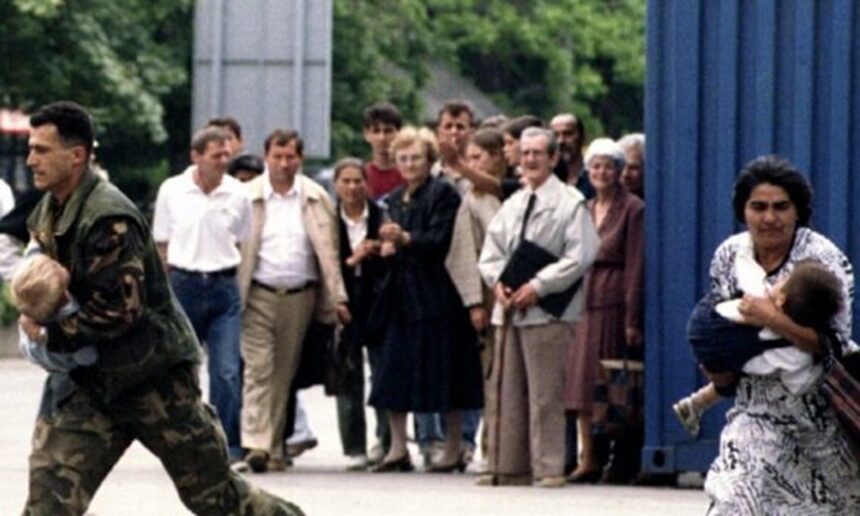
According to victims’ associations and international court findings, during the nearly four-year siege of Sarajevo, one in every ten children killed was shot by snipers, while more than 14,000 children were wounded. Despite the scale of the atrocities, no individual sniper has yet been convicted specifically for these crimes.