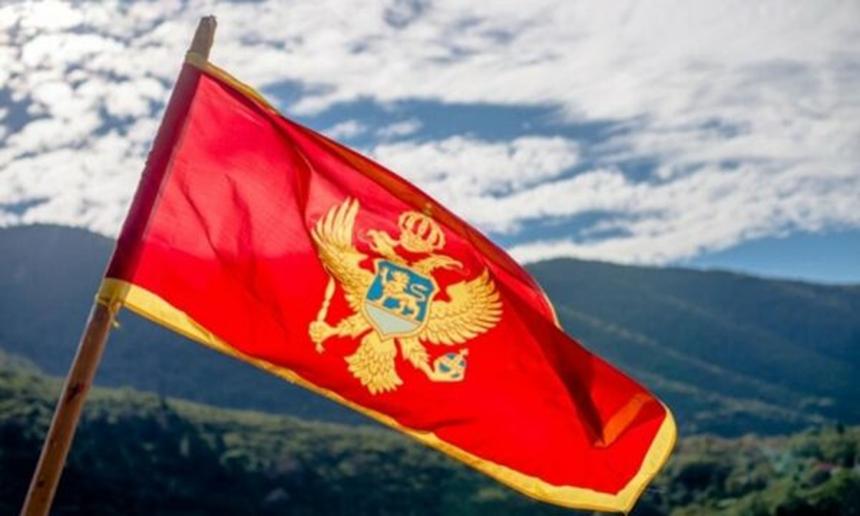
Greece is exploring ways to accelerate Montenegro’s accession to the European Union during its Presidency of the Council of the EU in the second half of 2027, signaling a renewed effort to advance the integration of the Western Balkans into the bloc.
Greek Foreign Minister Giorgos Gerapetritis is visiting Podgorica to discuss Montenegro’s European path with Foreign Minister Ervin Ibrahimović and Prime Minister Milojko Spajić.
Athens will assume the rotating EU Council Presidency in July 2027 and is reportedly aiming to help at least one Western Balkan country successfully join the European Union during its term. Greek officials see this as an opportunity to revive the country’s historic role in EU enlargement, recalling its contribution during the 2003 EU Presidency, which helped pave the way for the Union’s largest post-Cold War expansion.
According to analysts and government sources, Montenegro is viewed as the most realistic candidate for near-term membership among the Western Balkan aspirants. Having opened accession negotiations in 2012, the country is considered further advanced in the process than several regional neighbors.
Officials in Athens also point out that Montenegro’s relatively small population of around 600,000 would make its accession economically and politically less challenging for the EU compared to larger candidate countries.
The Montenegrin government has branded its membership campaign as “28 by 28,” reflecting its ambition to become the European Union’s 28th member state by 2028. However, Greece is reportedly examining options to bring that timeline forward and potentially secure Montenegro’s accession before the end of 2027.
Despite broad agreement within the EU that the Western Balkans belong in the Union, diplomats acknowledge that enlargement discussions often encounter obstacles when member states debate concrete steps, technical criteria, and accession methodologies.
If successful, Greece’s initiative could mark the first major EU enlargement breakthrough in years and provide renewed momentum for the European integration of the Western Balkans.