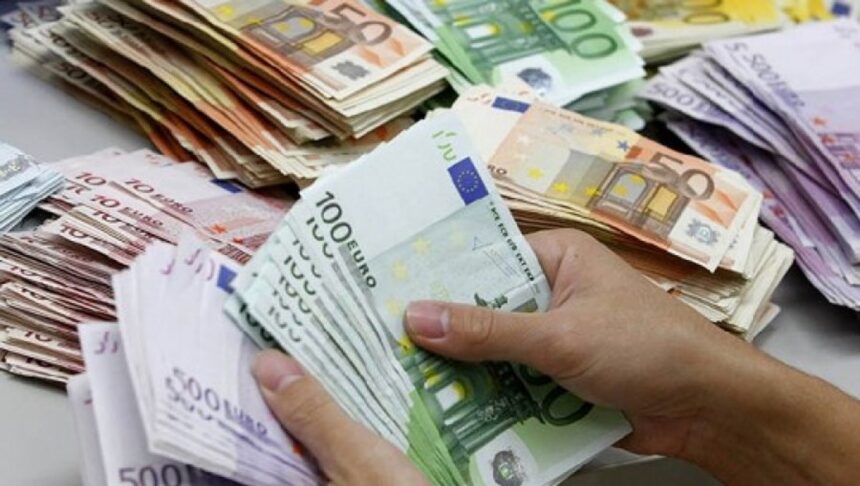
A new mandatory minimum wage of €500 gross per month officially went into effect across Kosovo on Wednesday, July 1, marking a €75 increase from the previous baseline of €425.
While the government has hailed the adjustment as a historic milestone for low-income workers, private sector unions and business representatives immediately slammed the policy—arguing it is either insufficient to combat inflation or too financially burdensome for small enterprises.
Kurti Claims a “Three-Fold Increase”
Caretaker Prime Minister Albin Kurti lauded the policy’s implementation, stating that the higher baseline will directly boost the income of thousands of citizens who have historically struggled under stagnant wages.
“About 150,000 private sector workers will benefit from this increase,” Kurti wrote. “For more than a decade before our administration, the minimum wage was low and unchangeable. Meanwhile, in less than half a decade with us, we have achieved a three-fold increase in the minimum wage.”
Union Demands €800, Exposes Wage Violations
Despite the political celebration, the head of the Private Sector Workers’ Union, Jusuf Azemi, fiercely dismissed the €500 threshold as completely out of touch with the current cost of living. According to union metrics, the adjustment fails to secure basic household stability.
- The Living Wage Gap: Azemi asserted that based on the mandatory monthly food and utility basket for a family of four, the minimum wage should not sit below €800. “We aren’t calculating luxury here,” Azemi warned. “The difference between €425 and €500 will change practically nothing in the daily survival of our workers.”
- State Subcontracting Failures: The union leader leveled a serious accusation against the executive branch, alleging that the government itself is the primary violator of its own labor codes. Azemi pointed out that over 200 technical and support workers at the University of Prishtina—employed via private subcontracts—are still receiving illegal monthly wages of just €292.
Small Businesses and Farmers Predict Heavy Strain
Concerns were mirrored on the employer side by the Chamber of Commerce and Industry. Chamber representative Skënder Ahmeti warned that the sudden wage mandate would heavily disrupt fragile sectors of the economy.
“This minimum wage will cause massive trouble and pressure for small family businesses, like local kiosks and corner stores,” Ahmeti stated. “It is highly challenging for them to absorb. Furthermore, it directly hits farmers who formally register their laborers but receive zero protective subsidies or financial safety nets from the state to offset rising labor costs.”
The controversial wage hike has also faced lingering political scrutiny from transparency watchdogs. The executive decree authorizing the increase was originally passed on October 31 last year, drawing heavy criticism for being pushed through right in the middle of a high-stakes local election campaign just days before the November 9, 2025, runoff votes.