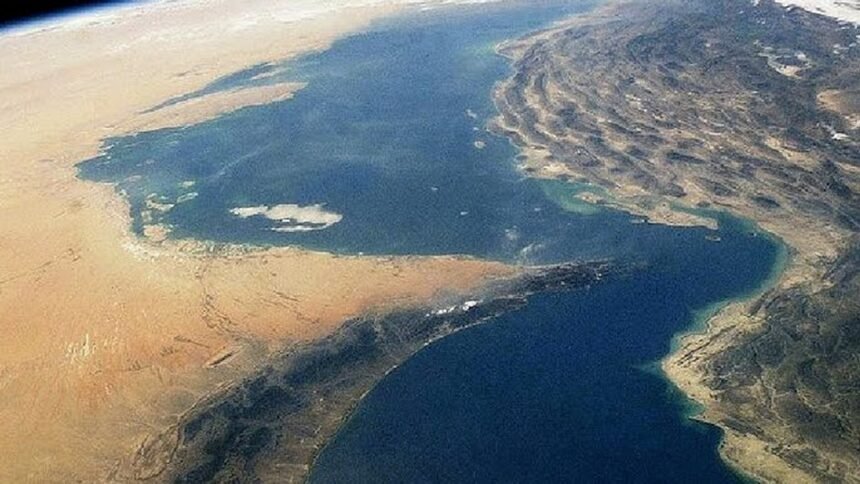
American negotiators in Qatar are working to persuade Iranian officials to drop plans to implement a commercial transit tax in the Strait of Hormuz, leveraging massive economic incentives linked to a comprehensive peace deal over regional shipping tolls.
The technical, indirect discussions taking place in Doha come exactly two weeks after U.S. President Donald Trump and Iranian President Masoud Pezeshkian signed the historic Islamabad Memorandum of Understanding (MOU) on June 17, 2026. The 14-point framework established a 60-day window to formalize a permanent treaty, ending a destructive regional conflict and a month-long maritime blockade. However, the initiation of full-scale nuclear and financial talks has stalled due to a diplomatic standoff regarding control of the strategic waterway.
The Economic Calculation: Tolls vs. Sanctions Relief
According to diplomatic sources close to the Doha talks, the U.S. technical team has presented exhaustive economic modeling to Tehran. The core argument outlines that Iran stands to gain significantly more revenue through the lifting of unilateral U.S. primary and secondary sanctions and the unfreezing of restricted overseas assets than it could ever collect by enforcing transit tariffs on international vessels.
Under the initial terms of the June MOU, the U.S. Treasury’s Office of Foreign Assets Control (OFAC) already granted temporary general licenses allowing the resumption and sale of Iranian crude oil exports. Full compliance with a final 60-day treaty promises a wider pathway toward total economic normalization—a prospect Washington argues would be fundamentally jeopardized by a permanent Iranian toll system in the Strait.
A Fragile Strategic Calm in the Waterways
The technical disputes in Doha are unfolding against a background of recent, volatile military friction. Just days ago, tit-for-tat kinetic strikes between U.S. forces and the Islamic Revolutionary Guard Corps (IRGC) threatened to completely dismantle the broader ceasefire.
“We have reached a temporary understanding to keep things quiet during the coming week, so that we can work productively on all aspects of the MOU without missiles flying,” a U.S. official told Axios. “The President has been exceptionally clear: every time they fire, we will fire back with greater intensity—and at targets that directly degrade their military positions inside the Strait.”
High-Level Coordination and Optimism
The 60-day diplomatic framework represents the most significant diplomatic breakthrough between Washington and Tehran since the collapse of the 2015 JCPOA. U.S. Vice President JD Vance, who headed the 300-member U.S. negotiating team alongside regional mediators from Pakistan and Qatar, confirmed that the technical tracks are actively pushing through the impasse.
- Multilateral Engagement: Vice President Vance stated that the technical team is holding simultaneous, rigorous sessions in Doha with Iranian, Qatari, and other regional stakeholders to solidify safety parameters.
- Early Evaluation: Despite the legal and territorial friction surrounding the Strait, Vance remained cautiously optimistic about the diplomatic track, stating: “It is still early, but the talks are moving along well.”
With the clock ticking on the 60-day negotiation window, the success of the Doha round hinges on whether Iran will accept a guaranteed sanctions-termination schedule in exchange for permanent, toll-free freedom of navigation through the world’s most critical energy corridor.