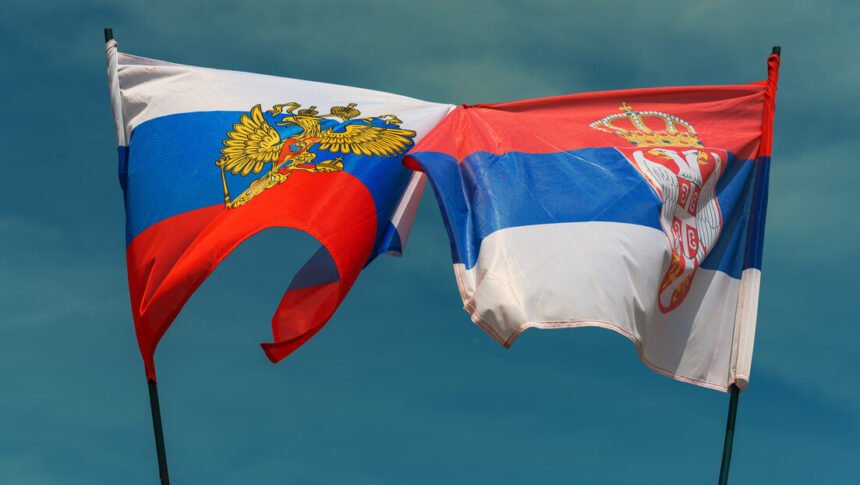
The strategic partnership between Moscow and Belgrade remains entirely insulated from short-term political shifts, Russian Foreign Ministry Spokesperson Maria Zakharova declared during a press briefing on Wednesday, July 1, 2026.
Responding to a direct inquiry from Reuters regarding whether the announced resignation of Serbian President Aleksandar Vučić would destabilize Russian-Serbian relations, compromise Moscow’s geopolitical footprint in the Balkans, or disrupt ongoing negotiations over the sale of Naftna Industrija Srbije (NIS), Zakharova insisted that the bilateral bond remains functional and resilient.
A Partnership Built on “Brotherly Tradition”
Zakharova firmly pushed back against suggestions that a leadership transition in Belgrade would trigger a cooling of relations. She emphasized that the baseline operations of the alliance remain fully operational.
“The cooperation between Russia and Serbia relies on a rock-solid tradition of friendship and partnership,” Zakharova stated. “We work together across a vast thematic framework. Major joint projects are being executed on a mutually beneficial basis, heavily supported, of course, by our intergovernmental committee for trade, economic, and scientific-technical cooperation.”
The Foreign Ministry spokesperson stressed that the positive momentum built over recent years serves the objective interests of both nations, noting that regardless of outside characterizations, “the people of Serbia view our relations as brotherly.”
Calls for Internal Stability and Sovereign Continuity
Addressing the domestic political shakeup inside Serbia, Zakharova confirmed that Moscow is closely monitoring the unfolding events and maintains a stance of strict respect toward the decisions made by Serbia’s leadership. However, she emphasized the importance of a peaceful transition:
- Constructive Dialogue: Russia views it as fundamentally important that internal political processes in Serbia develop calmly, productively, and through mutual respect.
- Sovereign Foreign Policy: Moscow expressed total confidence in the continuity of Belgrade’s sovereign foreign policy, in which Russia traditionally occupies a distinct, priority position.
Zakharova concluded by affirming that this continuity will allow Moscow and Belgrade to maintain high-quality coordination on international affairs, jointly navigate regional Balkan security issues, and steadily resolve practical economic matters—including the sensitive energy dossiers currently on the table.