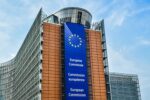
The European Commission has released its 7th Annual Rule of Law Report, offering a stark assessment of candidate nations—including Serbia, Montenegro, North Macedonia, and Albania.
The 2026 dossier on Serbia paints a troubling picture of systemic political pressure on the judiciary, severe obstruction of media freedoms, and a parliament completely lacking authentic political debate.
Introducing the report, EU Enlargement Commissioner Marta Kos emphasized that progress in these core areas dictates the actual pace of EU accession negotiations:
“This report shows candidate countries where they must do more to ensure their institutions uphold democracy. Advancing here is a core requirement for EU membership and directly supports gradual integration into the Single Market.”
— Marta Kos, EU Commissioner for Enlargement
1. Judicial Vulnerabilities and Political Pressure
While efficiency in civil and commercial cases remained stable, the EU noted a dangerous downward trend in criminal and administrative proceedings.
- Erosion of Independence: Recent legislative amendments effectively removed key structural mechanisms designed to guarantee prosecutorial and judicial independence, actively undermining the constitutional reforms passed in 2023.
- Surge in Interference: The Commission highlighted a significant spike in political pressure exerted on both judges and prosecutors, noting that the High Prosecutorial Council, the High Judicial Council, the government, and parliament have offered very limited resistance or protection.
- Institutional Backlogs: The judiciary continues to suffer from a high volume of vacant judicial posts, lagging implementation of standardized IT case-management software, and a total failure to resolve pending constitutional appeals.
2. Stalled Anti-Corruption Efforts
The report severely criticized Belgrade’s track record on corruption, revealing that the majority of milestones from the previous Anti-Corruption Action Plan were never implemented and were simply rolled over into the new plan.
- Targeting Organized Crime: The EU expressed explicit anxiety regarding illicit attempts to interfere with and exert unlawful influence over the Prosecution Office for Organized Crime.
- Lack of Results: Serbia still lacks a stable, convincing track record of solid investigations, indictments, and final convictions in high-level corruption cases.
- Systemic Loopholes: Public procurement laws are routinely bypassed using legal exemptions, systematically neutralizing critical anti-corruption mechanisms. Weaknesses also persist in validating asset declarations and monitoring conflicts of interest.
3. Media Monopolies and Threats to Journalists
The Commission concluded that Serbia’s audiovisual market is facing deep structural dysfunction, driven heavily by the operational paralysis of the Regulatory Authority for Electronic Media (REM).
- Safety of Journalists: The safety index for reporters has severely deteriorated, marked by an escalating number of physical attacks and direct threats against journalists. Public bodies routinely deny or ignore journalists’ freedom-of-information requests.
- Market Concentration: Serious concerns remain regarding the political and economic capture of media outlets, aggressive market concentration, and a near-total lack of editorial autonomy within public broadcasting services.
- State Funding Irregularities: While the Print Media Press Council actively monitored ethical code violations, its findings had zero impact on the fairness of state-subsidized media co-funding distribution.
4. Institutional Imbalance and Broken Checks
The report slammed the internal mechanics of the Serbian Parliament (Narodna Skupština), stating that its core oversight functions are entirely paralyzed.
- Lack of Debate: Legislative work is severely hampered by a total absence of genuine political debate, leaving MPs unable to properly scrutinize draft laws or contribute to the legislative agenda.
- Incomplete Electoral Reforms: While initial efforts toward electoral reform and a voter registry audit were launched, they have yet to be fully and transparently executed.
- Pressure on Civil Society: Independent bodies monitoring fundamental rights remain starved of resources. Concurrently, civil society organizations and NGOs face heightened institutional pressure, public attacks, and systematic smear campaigns.