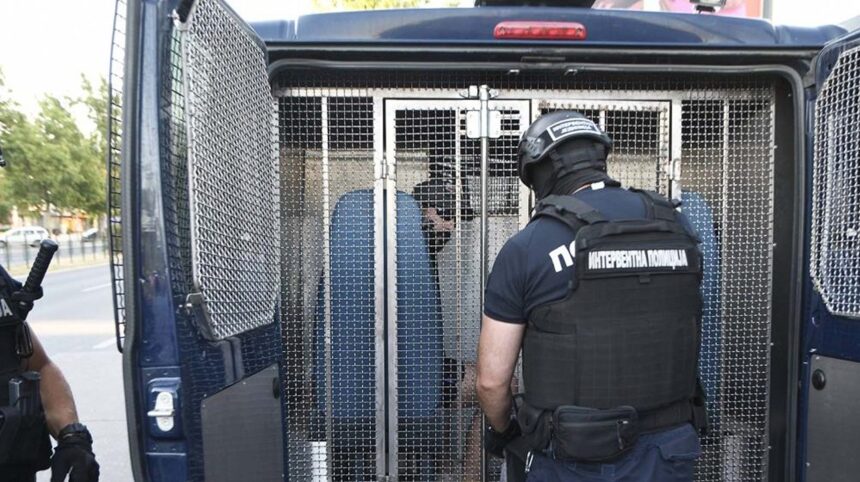
As Serbia approaches its October 25 elections, police have arrested and searched the homes of students, activists and individuals linked to the opposition-aligned Student List. Authorities accuse some of them of offences including causing panic, disturbing public order and allegedly planning election-day violence.
Among those targeted are former Military Union of Serbia president Novica Antić, Slavija Info editor Ljubomir Stefanović, and activists reportedly connected to election-monitoring mobile teams. Several people were also arrested in Novi Sad over alleged plans to cause unrest on election day.
But critics see a broader pattern: using arrests and criminal investigations to create fear, discourage election monitoring and weaken turnout.
Local Front activist Predrag Voštinić argues that mobile teams are necessary to protect election materials, electoral commission members and voters’ choices in a climate of distrust in state institutions.
Provincial deputy Radivoje Jovović describes the arrests as intimidation intended to discourage citizens from voting and defending the electoral process. Lawyer Vladimir Terzić similarly argues that the searches and arrests amount to political pressure on people associated with the Student List.
These are serious allegations, while the authorities’ accusations remain subject to legal scrutiny. Yet the timing raises questions about whether law enforcement is being used impartially or whether its actions risk chilling legitimate political participation.
If the elections are fair, why should students, activists and election monitors be afraid? And if citizens are intimidated into staying home, who benefits from lower turnout?