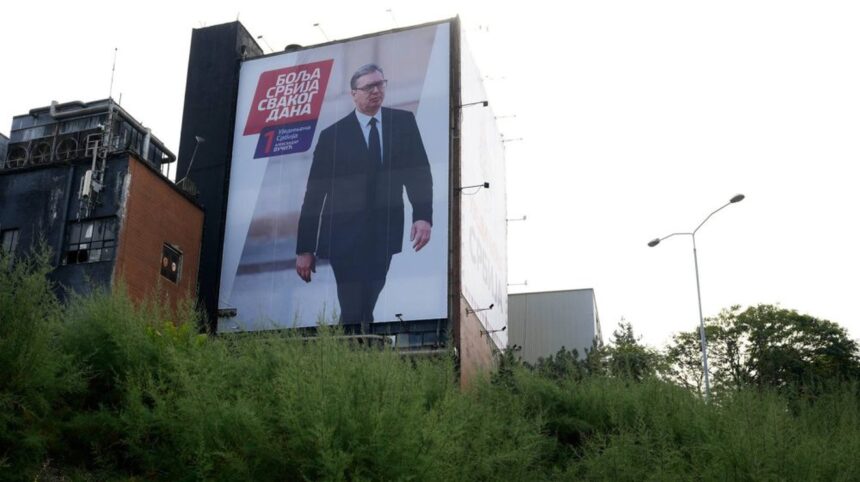
Aleksandar Vučić’s political network does not stop at Serbia’s borders. As students challenge his grip on power ahead of crucial elections, his close allies in Republika Srpska are banning rallies in support of the student movement. According to the Associated Press (AP), police have blocked two student events in just one month, including a planned gathering in Banja Luka.
Authorities claim the latest ban was based on security concerns. But students accuse local officials of political interference, arguing that they are deliberately preventing solidarity with their colleagues in Serbia. The group Students for Students plans to take legal action, while opposition politician Nebojša Vukanović called the ban a “shame.”
The message is difficult to ignore: when students want to stand together against those in power, authorities shut the door. Who benefits from preventing young people from expressing solidarity just days before an election?
And the links between the two political establishments deserve scrutiny. AP reports that opposition activists and independent observers in Serbia have previously accused Vučić and Republika Srpska leader Milorad Dodik of coordinating votes by Bosnian Serbs with dual citizenship to help Vučić’s Serbian Progressive Party (SNS). Both leaders have denied the allegations. Around 19,800 voters are expected to vote at 28 polling stations in Bosnia and Herzegovina.
Meanwhile, AP reports that major media outlets in Republika Srpska have focused heavily on Vučić and SNS activities. Dodik regularly attends political events in Serbia and owns a house there, while both leaders present their relationship as a way to unite Serb communities across the border.
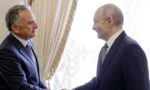
Dodik has repeatedly called for Republika Srpska to separate from Bosnia and unite with Serbia, fuelling concerns about renewed ethnic tensions in a region still marked by the consequences of war. Both leaders also maintain close ties with Vladimir Putin, while democratic reforms remain a major obstacle to Serbia’s and Bosnia and Herzegovina’s EU ambitions.
This is bigger than one banned rally. It raises serious questions about political influence crossing borders, the freedom to protest, and whether institutions are being used to shield powerful allies from public dissent.
If Vučić and his allies are confident in their public support, why are student gatherings being blocked? And why should citizens trust an election environment in which political solidarity itself becomes a security issue?