Just days before elections in Serbia, attempts to extend the electoral campaign and hold elections in Kosovo have once again brought Belgrade’s claims over the independent state into focus.
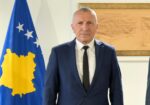
Speaking at the United Nations Security Council, Glauk Konjufca warned that Kosovo would not allow Serbian elections to be organized on its territory. Analysts, meanwhile, maintain that Kosovo’s sovereignty is a settled and non-negotiable matter.
“The Republic of Kosovo has its own Constitution and legal framework governing the organization of elections and the exercise of public authority within its territory. If Serbia wants to organize elections in Kosovo by violating, undermining and humiliating our state, I am sorry, but we will not allow it,” Konjufca said.
Several days earlier, a similar election rally was interrupted by Kosovo Police at the Technical School premises, where more than 200 people had gathered.
According to the police, Serbian List MPs were also present at the gathering, including Igor Simić, as well as Ivan Zaporozhac, an official of the party. Both are directly linked to former Serbian President Aleksandar Vučić.
In this context, local analysts and professors say Serbia cannot, under any circumstances, exercise its electoral authority within the territory of another state. Kosovo’s sovereignty, they argue, is a settled matter.
“It is already a done deal; it has been established. Serbia cannot hold elections in Kosovo. Kosovo is an independent and sovereign state and, naturally, there are other mechanisms and procedures through which this right can be exercised by those who hold dual citizenship. This matter has already been settled and established,” said Dorajet Imeri, an analyst and professor of geopolitics.
Imeri added that, regardless of the nationalist messages used during the election campaign, Kosovo’s sovereignty and its right to decide how elections are organized within its own territory remain non-negotiable.
Source: RTK