The European Council has unanimously approved a joint text of conclusions on Ukraine, marking the first time in over 18 months that all 27 member states have reached total consensus on a unified document regarding the conflict.
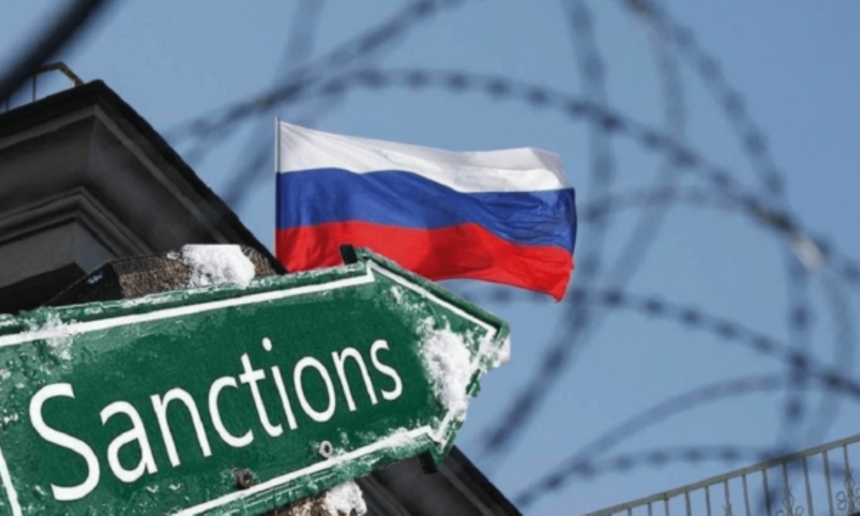
As part of a hardened geopolitical stance, European leaders also adjusted the renewal timeline for sectoral sanctions against Russia. Economic and industrial penalties will now be renewed annually rather than every six months, streamlining the bureaucratic process and signaling long-term Western solidarity against Moscow.
Crucially, the final document draws a hard line regarding Russia’s international standing, explicitly declaring that Russia’s participation in global sporting and cultural events must not be normalized until a just and lasting peace is established in Ukraine. The strict cultural boycott received universal backing from all member states, including Italy.
Zelensky Warns ‘Moscow Will Burn’ After Massive Drone Incursion
The diplomatic freeze coincided with a dramatic escalation on the battlefield. Ukrainian President Volodymyr Zelensky issued a fiery warning to the Kremlin following the largest Ukrainian drone assault on Moscow since the war began, which reportedly involved an estimated 180 to 200 drones targeted at the Russian capital.
“If Ukraine burns, your Moscow will burn too,” Zelensky declared, noting that the strikes were a direct, justified retaliation for a Russian attack earlier this week that damaged the historic 1,000-year-old Kyiv Pechersk Lavra monastery.
The Ukrainian operation successfully struck the Moscow Oil Refinery in Kapotnya for the second time in three days, igniting massive fires and sending plumes of black smoke over the city. Debris also caused damage to residential blocks and shopping centers, with local authorities reporting 17 injuries, including two children.
Kremlin Signals Gridlock as Air Wars Escalate
The scale of the multi-front air campaign has disrupted civilian infrastructure on both sides of the border:
- Moscow Grounded: The Russian Ministry of Defense claimed that a total of 555 Ukrainian drones were launched across Russian territory within a 24-hour window. The intense bombardment forced authorities to temporarily suspend all flight traffic across Moscow’s four international airports.
- Kremlin Pushback: Yuri Ushakov, a senior advisor to the Kremlin, stated that these aggressive incursions actively sabotage any potential path toward an official meeting between Vladimir Putin and Volodymyr Zelensky—a summit Kyiv has repeatedly floated to negotiate an end to hostilities.
- Russian Retaliation Promised: Russian Foreign Minister Sergei Lavrov warned that Moscow will sustain “mass-scale strikes” explicitly targeting infrastructure that directly impairs Ukraine’s combat capabilities.
- Overnight Strikes on Ukraine: The threat materialized immediately as the Ukrainian Air Force reported that Russia fired seven missiles and 239 drones into Ukrainian territory overnight, resulting in three fatalities and at least 17 wounded across various regions.
G7 and NATO Double Down on Long-Term Aid
Speaking from Brussels, Zelensky emphasized that targeting Russian energy nodes is designed to demonstrate to ordinary Russian citizens that the war is being waged by one man—Putin—while regular people inherit the physical and economic costs.
Meanwhile, at the concurrent G7 Summit, Ukraine solidified robust political and military commitments from Western allies. NATO Secretary General Mark Rutte praised Ukraine’s strategic capability to shift the battlefield equilibrium and inflict severe structural damage on Russia. However, Rutte stressed that maintaining this momentum is entirely conditional on allies substantially increasing their long-range and long-term military assistance.