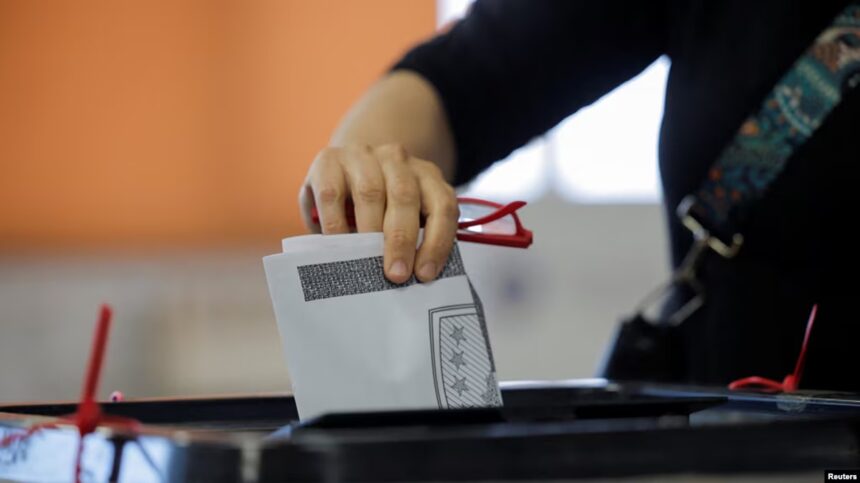
The Central Election Commission (KQZ) has completed the recount of ballots from 185 polling stations in Kosovo’s June 7 parliamentary elections, clearing one of the final procedural hurdles before the official certification of results and the formation of new institutions.
KQZ spokesperson Valmir Elezi confirmed that the commission is technically ready to announce the final election results. However, under Kosovo’s electoral legislation, a 48-hour period must first be allowed for potential complaints related to the recount process. If appeals are filed, they will be reviewed by the Election Complaints and Appeals Panel (PZAP) and, if necessary, by the Supreme Court.
The recount was ordered by the KQZ to verify the accuracy of vote counting and address any potential irregularities. A detailed report outlining the findings of the recount will now be prepared and presented to the commission.
Preliminary Distribution of Parliamentary Seats
According to preliminary results, Albin Kurti’s Vetëvendosje (LVV) secured 42.96% of the vote and is expected to win 53 seats in the 120-member Assembly.
The remaining major parties are projected to receive:
- Democratic Party of Kosovo (PDK): 22 seats
- Democratic League of Kosovo (LDK): 18 seats
- Alliance for the Future of Kosovo (AAK): 7 seats
Among the ten seats reserved for the Serbian community, nine are expected to go to Serbian List, while one seat is projected for the Freedom, Justice and Survival party.
Most-Voted Candidates
The preliminary vote count shows the following candidates received the highest number of preferential votes:
- Albin Kurti – 324,329 votes
- Glauk Konjufca – 264,338 votes
- Albulena Haxhiu – 165,142 votes
- Hekuran Murati – 137,812 votes
- Donika Gërvalla – 131,844 votes
- Bedri Hamza – 126,943 votes
- Xhelal Sveçla – 109,269 votes
- Vjosa Osmani – 92,236 votes
- Ejup Maqedonci – 89,305 votes
- Avni Dehari – 89,184 votes
What Happens Next?
Once the results are officially certified, Kosovo’s newly elected lawmakers will face three crucial tasks:
- Constituting the new Assembly
- Forming a new Government
- Electing a new President
While a simple majority of 61 votes is sufficient to form a government, the election of a president requires broader political consensus. A two-thirds majority is needed in the first two rounds, while a third round requires at least 61 votes, provided that at least 80 deputies are present in the chamber.
The June 7 elections were triggered after lawmakers failed to elect a successor to Vjosa Osmani before the constitutional deadline following the end of her mandate.
As Kosovo moves toward certification of the results, political attention is now shifting from the ballot count to negotiations that will determine whether the country can avoid another prolonged institutional deadlock.