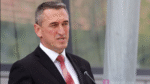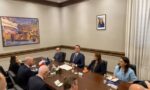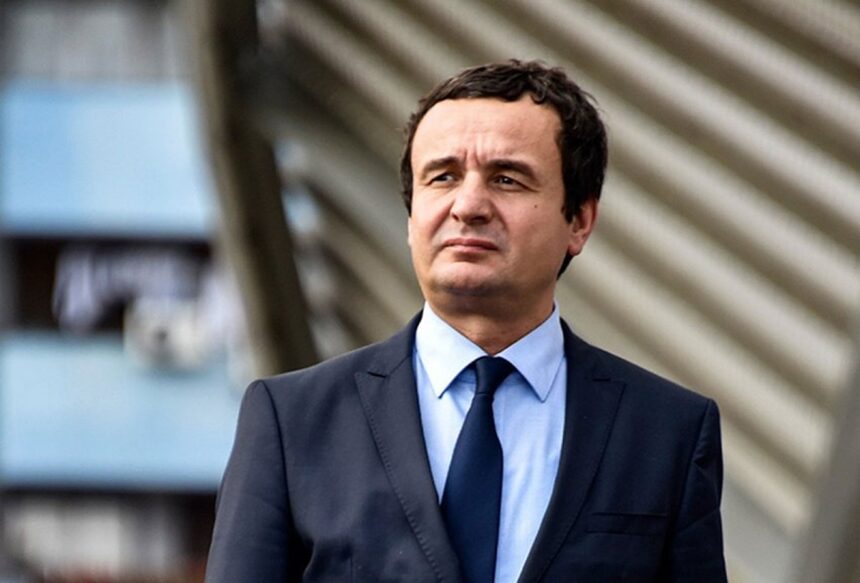
On the sidelines of the high-profile Vienna Economic Forum, the acting Prime Minister of Kosovo, Albin Kurti, held a crucial bilateral summit with the Chancellor of the Federal Republic of Austria, Christian Stocker.
Speaking in an exclusive interview with Kosovo’s public broadcaster, RTK, following the meeting on Tuesday evening, June 9, 2026, Kurti framed Austria as one of Kosovo’s most historically dependable geopolitical anchors. He urged the European Union to lift remaining punitive measures and immediately transition Kosovo toward formal EU Candidate Country status.
Shifting Focus to Brussels: The Demand for Candidate Status
With his domestic political mandate reinforced by his June 7 snap election victory, Kurti used the diplomatic stage in Vienna to push the European Commission on Kosovo’s stalled integration timeline.
[Kosovo's Urgent EU Accession Roadmap]
1. Complete Removal of Punitive EU Measures
2. Advancement to Official "Candidate Country" Status
3. Opening of Formal Chapter-by-Chapter Accession Negotiations
Kurti argued that Kosovo has met all economic and institutional criteria required of a candidate nation. He specifically pointed to Kosovo’s triumphant 82% supermajority approval vote in the Parliamentary Assembly of the Council of Europe (PACE) as proof of its baseline institutional alignment with Western Europe.
“We have fulfilled all our obligations,” Kurti stressed to RTK. “We successfully passed the vote with over 82% in the Parliamentary Assembly of the Council of Europe. Now, it only remains for Kosovo to be formally placed on the Council of Ministers’ agenda to become a full member.”
Retrospect on Vienna: A Legacy of Generational Support
The acting Prime Minister extended deep institutional gratitude to Chancellor Stocker, highlighting Austria’s unique historical role in supporting Kosovo long before its 2008 declaration of independence.
                    ┌────────────────────────────────┐
                    │  THE HISTORIC PRISHTINA-VIENNA │
                    │       DIPLOMATIC ALLIANCE      │
                    └───────────────┬────────────────┘
                                    │
         ┌──────────────────────────┼──────────────────────────┐
         ▼ THE 1990s LEGACY         ▼ STRUCTURAL SECURITY      ▼ THE MODERN STATE
┌──────────────────────────┐┌──────────────────────────┐┌──────────────────────────┐
│ Austria is the first EU  ││ Decades of Austrian Army ││ Deep multi-sector funding│
│ nation to officially     ││ (Bundesheer) deployments ││ for democratization, mass│
│ recognize diplomas from  ││ within KFOR to stabilize ││ educational reform, and  │
│ University of Prishtina. ││ borders.                 ││ economic independence.   │
└──────────────────────────┘└──────────────────────────┘└──────────────────────────┘
Selling Kosovo’s Strategic Mega-Projects to Austrian Capital
Turning to the economic core of the Vienna Forum, Kurti presented an aggressive infrastructure pipeline to Austrian institutional investors. He noted that Austria’s geographic proximity and specialized technical experience make it the ideal development partner for Kosovo’s 2026–2030 modernization blueprint.
| Strategic Sector | Target Mega-Projects Pitched to Austrian Investors |
| Heavy Transit | National and cross-border rail expansion connecting to European corridors. |
| Energy & Utilities | Massive structural dam construction, water management systems, and regional gasification. |
| Sports Infrastructure | Modern stadium constructions aligned with European hosting standards. |
| Eco-Tourism Hubs | Large-scale, sustainable tourism expansion in the Brezovica and Rugova alpine regions. |
Kurti concluded that Kosovo is no longer just seeking standard financial aid, but rather equal, sustainable economic partnerships, utilizing its low tax frameworks and young workforce to build long-term manufacturing and green energy bases for Central Europe.