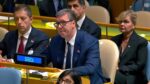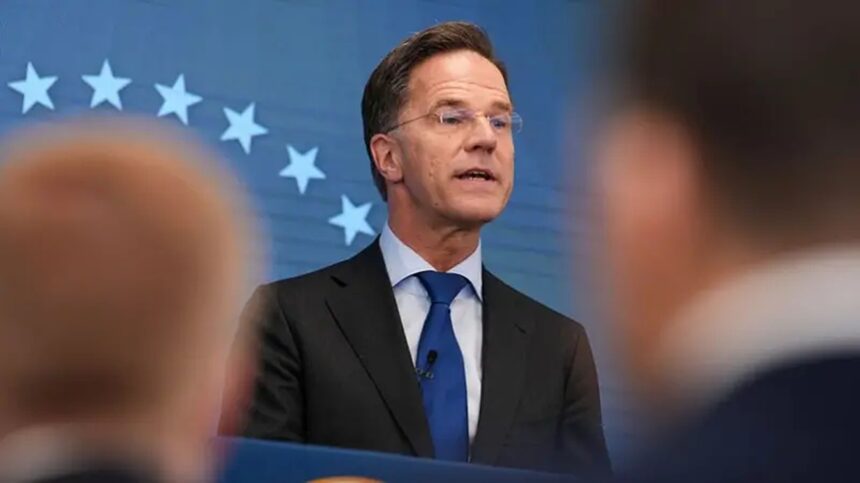
BRUSSELS, Belgium — NATO Secretary General Mark Rutte formally characterized Kosovo as an important partner for the North Atlantic Alliance, while simultaneously outlining the strict diplomatic boundaries governing Pristina’s long-term aspirations for full NATO membership.
Speaking at a press conference in Brussels on Thursday, Rutte responded directly to inquiries regarding Kosovo’s path toward integration and whether the Alliance would formally support the Kosovo Security Force (KSF). While praising the steady trajectory of regional stability, the NATO chief delivered a realistic assessment of the internal geopolitical gridlock that complicates formal institutional ties.
1. The Non-Recognizer Complication Facing NATO Expansion
While Kosovo has actively sought closer alignment with Western defense frameworks, Rutte addressed the structural legal hurdles that prevent a straightforward roadmap to membership.
The Institutional Gridlock Over Kosovo's NATO Ambitions

 [ COOPERATIVE STATUS ]   ──► VALUED REGIONAL PARTNER
 • NATO explicitly views Kosovo as a critical actor in maintaining overall
   peace and containment across the Western Balkans.

 [ THE DIPLOMATIC BLOC ]  ──► INTERNAL NON-RECOGNITION
 • Rutte reminded reporters that several NATO member states do not officially
   recognize Kosovo's independence, creating a complex legal impasse.

 [ CONSENSUS REQUIREMENT ] ──► STAGNANT INSTITUTIONAL TRACK
 • Because NATO membership requires unanimous consensus, these deep diplomatic
   divisions freeze formal expansion procedures for the foreseeable future.
“Of course, Kosovo is an important partner, but you also know that there are some countries that do not recognize Kosovo, which is why this complication exists. However, I think that at the moment, the most important thing is that we do everything to ensure that KFOR is as strong as possible.”
— Mark Rutte, NATO Secretary General
2. Calibrating Strength: The Logic Behind KFOR’s Structural Footprint
According to NATO’s official intelligence and military assessments, the security environment inside Kosovo has seen steady, multi-year improvements. This positive evaluation is the driving force behind the decision to optimize the Kosovo Force (KFOR) mission by moving back toward baseline troop numbers.
The Strategic Transition of KFOR's Presence
┌────────────────────────────────────────────────────────────────────────┐
│                                                                        │
│  [ THE ACTIVE FOOTPRINT ] ─────────────────────────────────────────┐   │
│  • KFOR currently maintains a reinforced posture of approximately 4,700│   │
│    active personnel deployed throughout strategic sectors.    │
│                                                                        │   │
│  [ PRE-2023 RESET ] ───────────────────────────────────────────────┤   │
│  • The improved security climate allows the Alliance to safely return │   │
│    troop counts to the levels seen prior to the 2023 surges. │
│                                                                        │   │
│  [ THE TARGET STRENGTH ] ──────────────────────────────────────────┘   │
│  • Depending entirely on ground conditions, KFOR will establish a stable │
│    presence of between 3,000 and 3,500 personnel under its UN mandate.│
└────────────────────────────────────────────────────────────────────────┘
3. Strategic Directives: The Path Forward
Rutte emphasized that the reduction in forces is a sign of local institutional capability, not a retreat or abandonment of the Western Balkans.
| Mission Component | Operational Status (2026) | Strategic Directive |
| KFOR Mission Mandate | Operating firmly under its established legal framework and UN Resolution 1244. | Unchanged Command: Will continue to act as the primary third-line security responder to guarantee a safe and secure environment. |
| Kosovo-NATO Partnership | Maintained as an essential regional alliance focused on joint operational stability. | Focus on Reality: Prioritizing immediate, practical security cooperation on the ground over unresolved political status debates. |
| Regional Deterrence | Transitioning from an emergency surge posture to a leaner, agile defense model. | Conditional Flexibility: Retaining the capacity to rapidly re-deploy or reinforce units if ethnic or border tensions resurface. |
Rutte’s statements underline a highly pragmatic consensus within Brussels: while Kosovo remains a crucial security partner, geopolitical realities within the Alliance mean that the immediate focus must remain on ensuring KFOR’s robust deterrence capabilities rather than debating structural expansion.