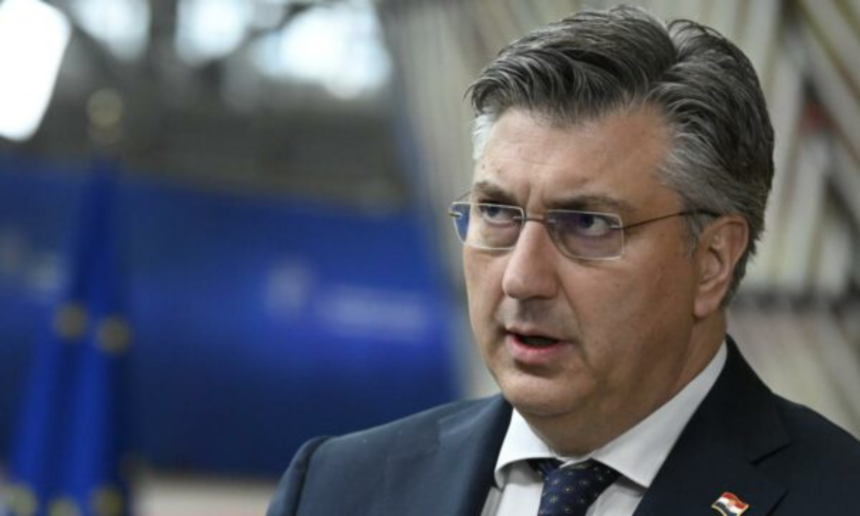
Croatian Prime Minister Andrej Plenković has criticized Serbian President Aleksandar Vučić over remarks he made at the United Nations General Assembly, accusing Belgrade of repeating familiar narratives about Croatia and saying such rhetoric moves Serbia further away from European Union values.
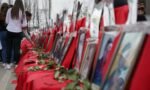
Vučić used his address to the UN General Assembly to criticize Croatia over its wartime past, referring to the suffering of Serbs, Jews and Roma at the Jasenovac concentration camp during World War II and questioning what he described as the moral messages coming from Croatia.
Plenković responded by saying Vučić’s remarks were expected, particularly following his own criticism of Serbia over the treatment of the burial of former Bosnian Serb military commander Ratko Mladić, who was convicted by the International Criminal Tribunal for the former Yugoslavia.
“Instead of apologizing for what they organized, he continues with this unfounded defamatory campaign against Croatia, which he himself does not believe in, let alone the international community,” Plenković said.
He added that such statements represented “another step away from the values we share in the European Union and from Serbia’s membership in the European Union.”
Plenković made the comments during his visit to New York for the 81st session of the UN General Assembly. The Croatian government has said his UN agenda also included discussions on multilateralism, international law and cooperation between the EU and Gulf countries.
Dispute Over Historical Narratives
The exchange comes amid renewed tensions in regional political rhetoric over the legacy of the wars and conflicts of the former Yugoslavia.
In his UN address, Vučić referred to Jasenovac and argued that Croatia should not present itself as a source of moral lessons while, in his view, failing to confront its own historical record.
Plenković, meanwhile, emphasized Croatia’s post-war trajectory and its integration into the European Union and NATO. In his own UN address, he presented Croatia as a country that had experienced aggression and occupation, defended its independence and subsequently rebuilt itself within European and transatlantic institutions.
The Croatian prime minister also took part in meetings concerning cooperation between Europe and the Gulf region, highlighting Croatia’s role as chair of the MED9 group and its efforts to strengthen cooperation between the EU and Gulf partners.
The latest exchange illustrates the continuing sensitivity of historical disputes between Croatia and Serbia, which remain an important part of political discourse in both countries despite their different positions within the European integration process.