
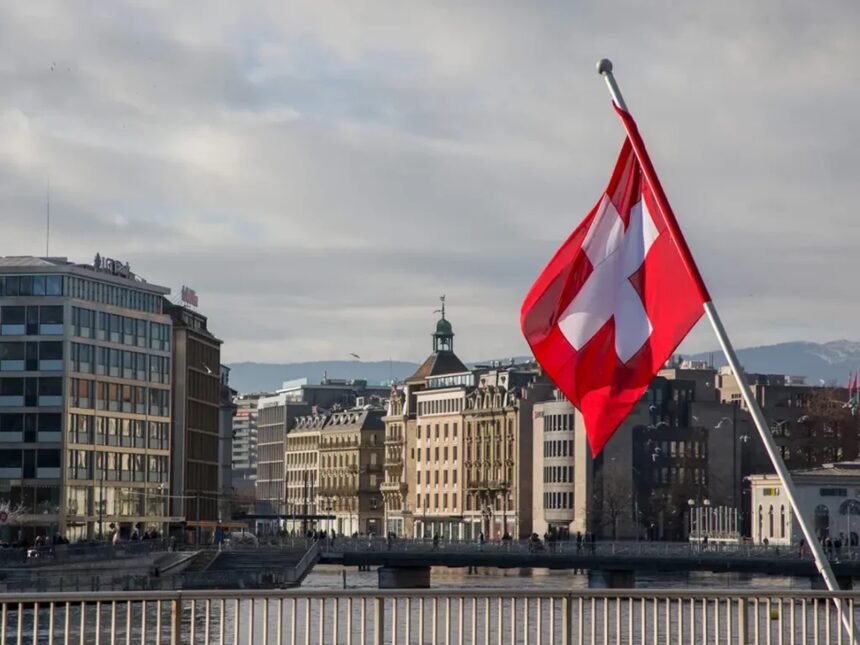
Can a country set a fixed limit on the size of its population? This is the question Swiss citizens will answer on Sunday in a nationwide referendum on a proposal aimed at capping the country’s population at 10 million residents.
The initiative is backed by the Swiss People’s Party (SVP), which describes it as a “sustainability initiative,” arguing that rapid population growth is placing increasing pressure on the housing market, public services, and the environment.
On the other hand, the Swiss government, major political parties, businesses, and trade unions have labeled the proposal a “chaos initiative,” warning that population limits could lead to labor shortages and damage Switzerland’s relationship with the European Union.
Switzerland’s population has grown significantly over the past two decades. In 2002, the country had approximately 7.3 million residents; today, that figure has risen to 9.1 million.
Around 27% of the population consists of foreign nationals.
Many citizens have expressed concerns about overcrowded trains, rising housing costs, and increasing healthcare expenses. Recent polls suggest the referendum could be closely contested, with 52% of voters opposed, 45% in favor, and a significant share still undecided.
A Debate Between Two Politicians with Immigrant Roots
The clash of views is illustrated by two young local politicians from immigrant backgrounds.
Nils Fiechter, 29, a representative of the Swiss People’s Party in the Canton of Bern, argues that Switzerland has lost control of immigration.
“Uncontrolled immigration is making Switzerland no longer the Switzerland we know. We face housing shortages, severe traffic congestion, overcrowded schools, and social services under pressure,” he said.
Meanwhile, Helin Genis, 31, a member of Bern’s Municipal Council from the Social Democratic Party of Switzerland, rejects these claims.
“Challenges such as high rents, expensive health insurance, or insufficient infrastructure investment are not caused by immigrants. Viewing these issues solely through the lens of immigration creates division rather than solutions,” she stated.
How Would the Population Cap Work?
If approved, the initiative would require Switzerland’s population not to exceed 10 million residents before 2050. The government would be obligated to take action once the population reaches 9.5 million.
Potential measures could include limiting the number of asylum seekers and ending family reunification rights for foreign workers.
If the population reaches the 10 million threshold, Switzerland would be required to withdraw from international agreements deemed incompatible with this objective, including its agreement with the European Union on the free movement of people.
Concerns Over the Economy and Relations with the EU
Swiss businesses warn that such a decision could harm the economy. Economiesuisse emphasizes that the European Union remains Switzerland’s most important trading partner and that any tensions with Brussels could have serious consequences.
Sectors such as hospitality, healthcare, and social services rely heavily on foreign workers. Approximately half of all employees in the hospitality industry are immigrants.
Opponents of the initiative also argue that Switzerland has an aging population, with around 20% of residents aged over 65, and that the economy needs younger workers to sustain the social welfare system and pension schemes.
Fears of International Isolation
Jon Pult of the Social Democratic Party warns that limiting population growth could isolate Switzerland at a time of global uncertainty.
According to him, amid the war in Ukraine, tensions in the Middle East, and international economic challenges, the country cannot afford to jeopardize its relations with European partners.
Supporters of the referendum reject this argument, however, stating that the European Union has a strong interest in maintaining good relations with Switzerland regardless of the outcome of the vote.
The referendum is widely regarded as one of the most significant votes in Switzerland in recent years and could shape the country’s immigration policies and its relationship with Europe for decades to come.