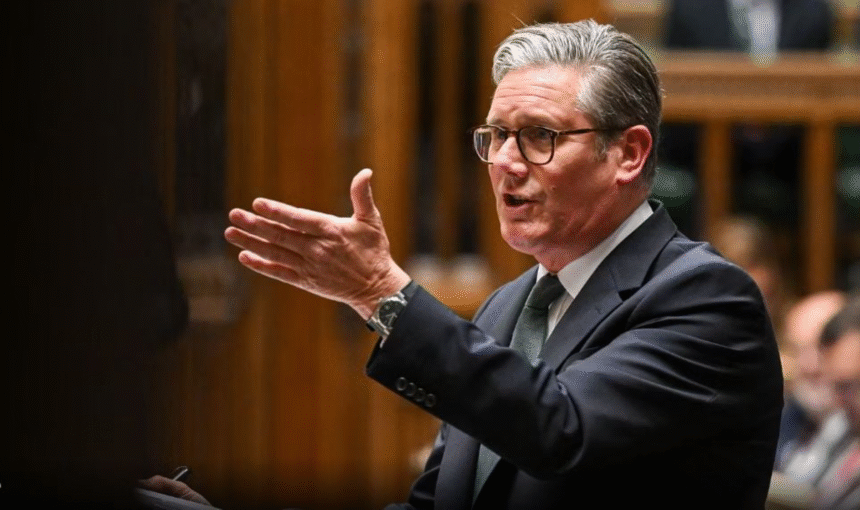
Millions of voters across the United Kingdom are set to head to the polls tomorrow, Thursday, May 7, for what is being described as a “super-election” day. These local and regional elections represent the first major electoral test for Prime Minister Keir Starmer and his Labour government since their historic landslide victory in 2024.
A Nationwide Barometer
While these elections do not decide the national government, they serve as a critical barometer for the country’s political direction. The scale of the contest is massive:
- Local Authorities: Voters will choose over 5,000 councillors across 136 local authorities, including 32 London boroughs.
- Mayoral Races: Elections are being held for mayors in six major urban hubs.
- Devolved Nations: Scotland and Wales are also holding elections for their respective national parliaments.
Polls Predict Labour Losses
Despite their 2024 triumph, current polling suggests a difficult night ahead for the Labour Party. Analysts estimate the party could lose up to 2,000 councillors. Potential defeats in traditionally safe London strongholds like Westminster and Lambeth could particularly damage the government’s prestige and ignite internal party pressure on Starmer’s leadership. Government circles are already reportedly attempting to downplay the significance of the results.
The Opposition and the “Farage Factor”
The Conservative Party, now under the leadership of Kemi Badenoch, is also expected to see losses. Analysts suggest the Tories have struggled to regain momentum following their crushing 2024 defeat and are finding it difficult to re-mobilize their core voting base.
Instead, the primary beneficiaries of voter dissatisfaction appear to be smaller parties:
- Reform UK: Nigel Farage’s party is showing strong gains in the polls, particularly in Northern England and rural counties.
- The Green Party: Expected to strengthen its presence in urban centers and university towns.
- Liberal Democrats: Positioning themselves to capture disillusioned voters from both major parties.
A Fragmented Landscape
The overall polling data suggests a highly fragmented political landscape. Experts warn that the UK’s traditional two-party dominance is being increasingly challenged, which could lead to local councillors being elected with historically low vote percentages.
The final outcome will depend heavily on voter turnout. Higher participation generally favors traditional parties, while lower turnout often amplifies the impact of protest votes for smaller parties. Initial results are expected to trickle in during the early hours of Friday morning, potentially triggering a significant shift in the British political balance of power.